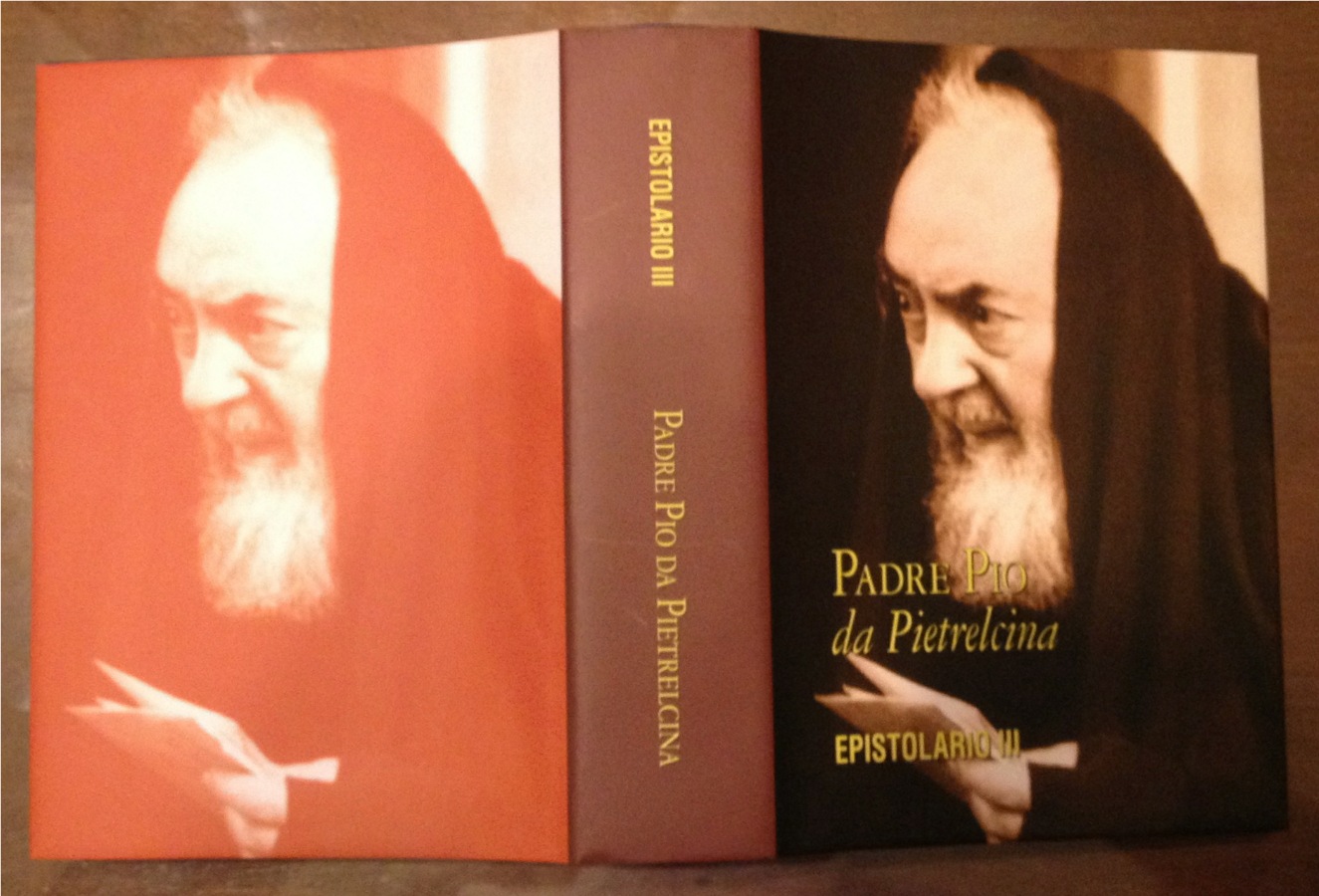
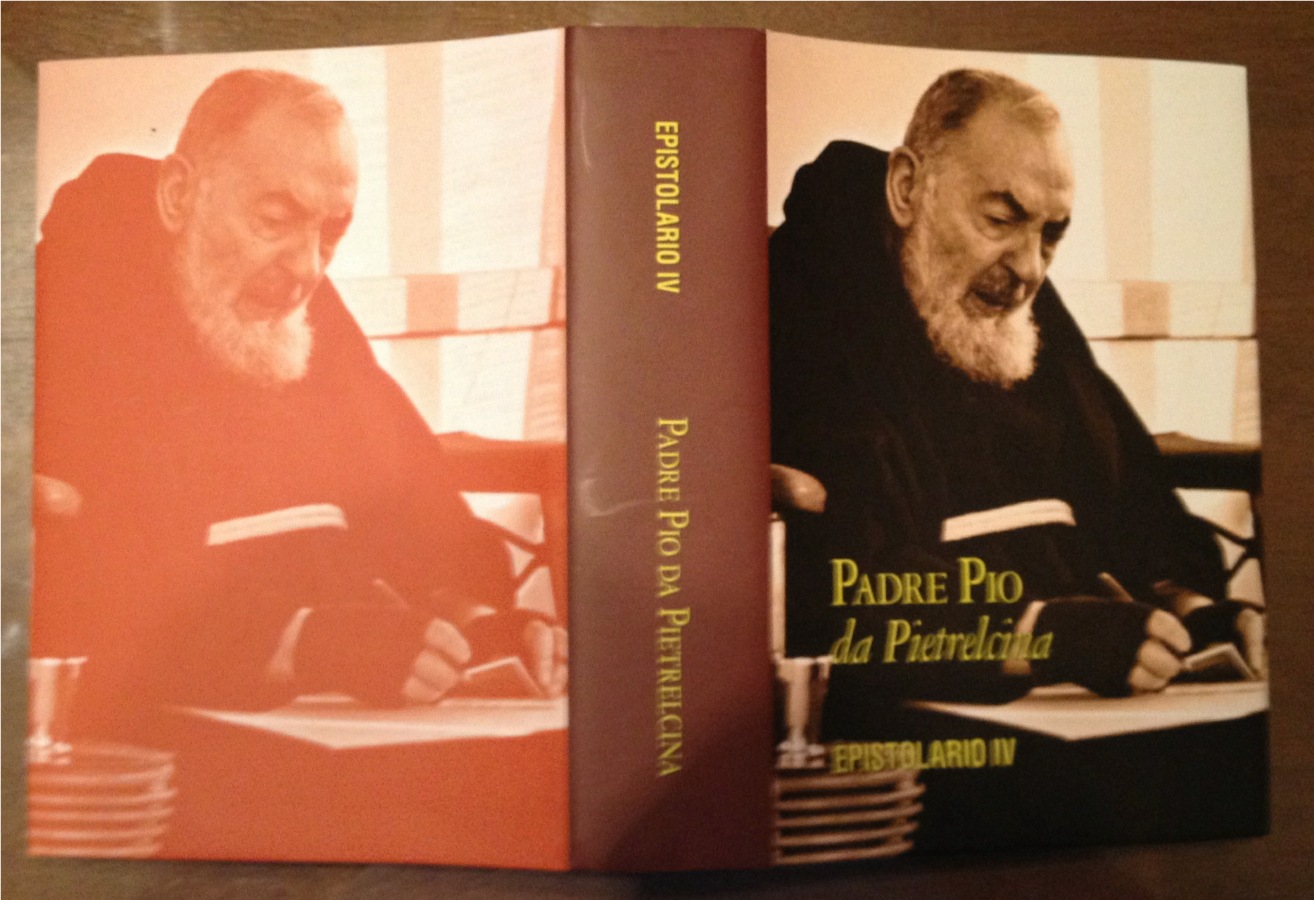
1915-1918; age 28-30
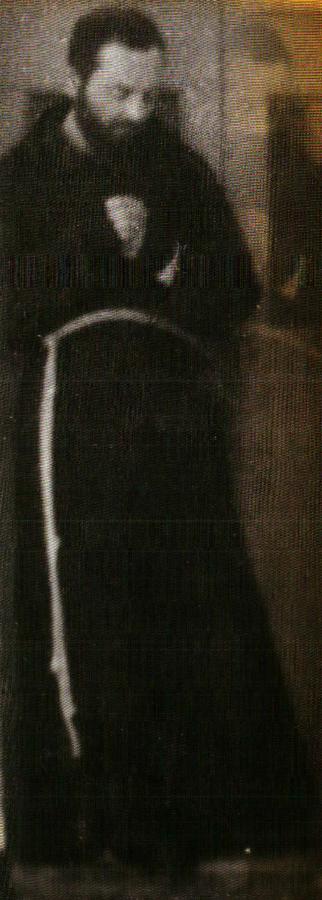
Italy entered WWI on May 23, 1915. Every able body was needed, and many Capuchin friars were drafted. The convents where depleted.[1] [2] [3]
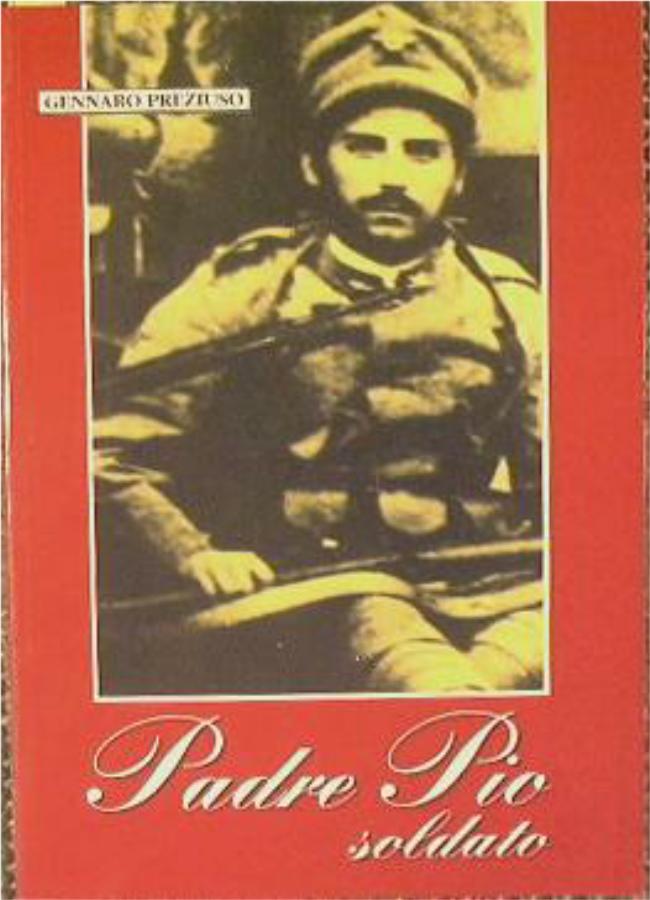
Padre Pio used to refer to his military service as “My one hundred days.” In reality he spent as active duty 182 effective days in four different periods of time that he used to call “stations” in the Italian Army.[5]
Pietrelcina, June 8, 1915:
“I feel that the
draft of my class 1987 is not far away.
This thought concerns me a bit, because I don’t know what will happen. I
am sick, I am sick of an incurable disease, according to the doctors.
But, in these so sad days, who knows if the military doctors will
consider me sick.”[6]
Caserta
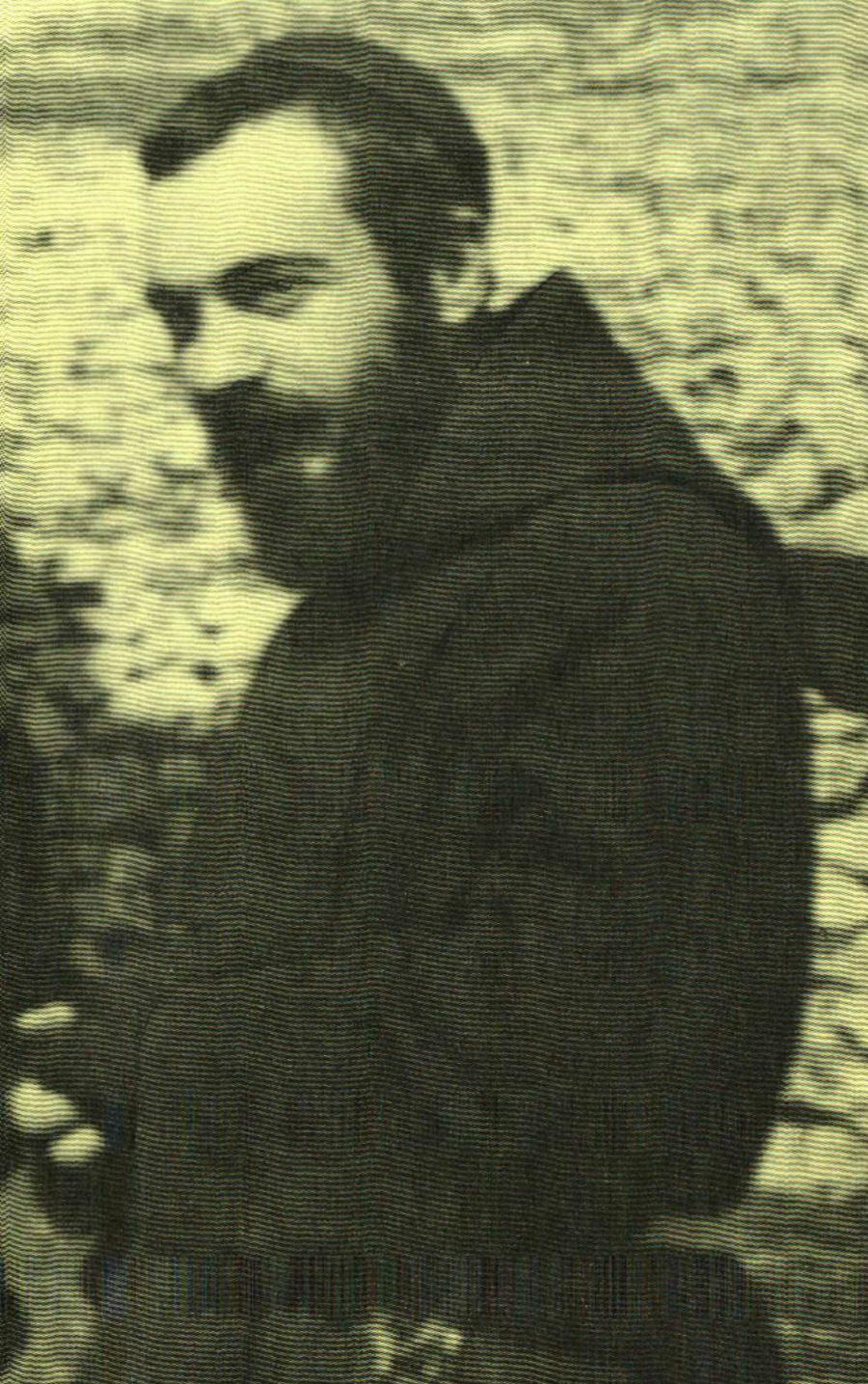
On November 6, 1915 Padre Pio, at age 28, left Pietrelcina to go to the military district in Benevento. A medical officer examined him and diagnosed him as suffering of tuberculosis. He sent him to the military hospital in Caserta for further evaluation.
[9] [10]
9] Pre00, 75
1915
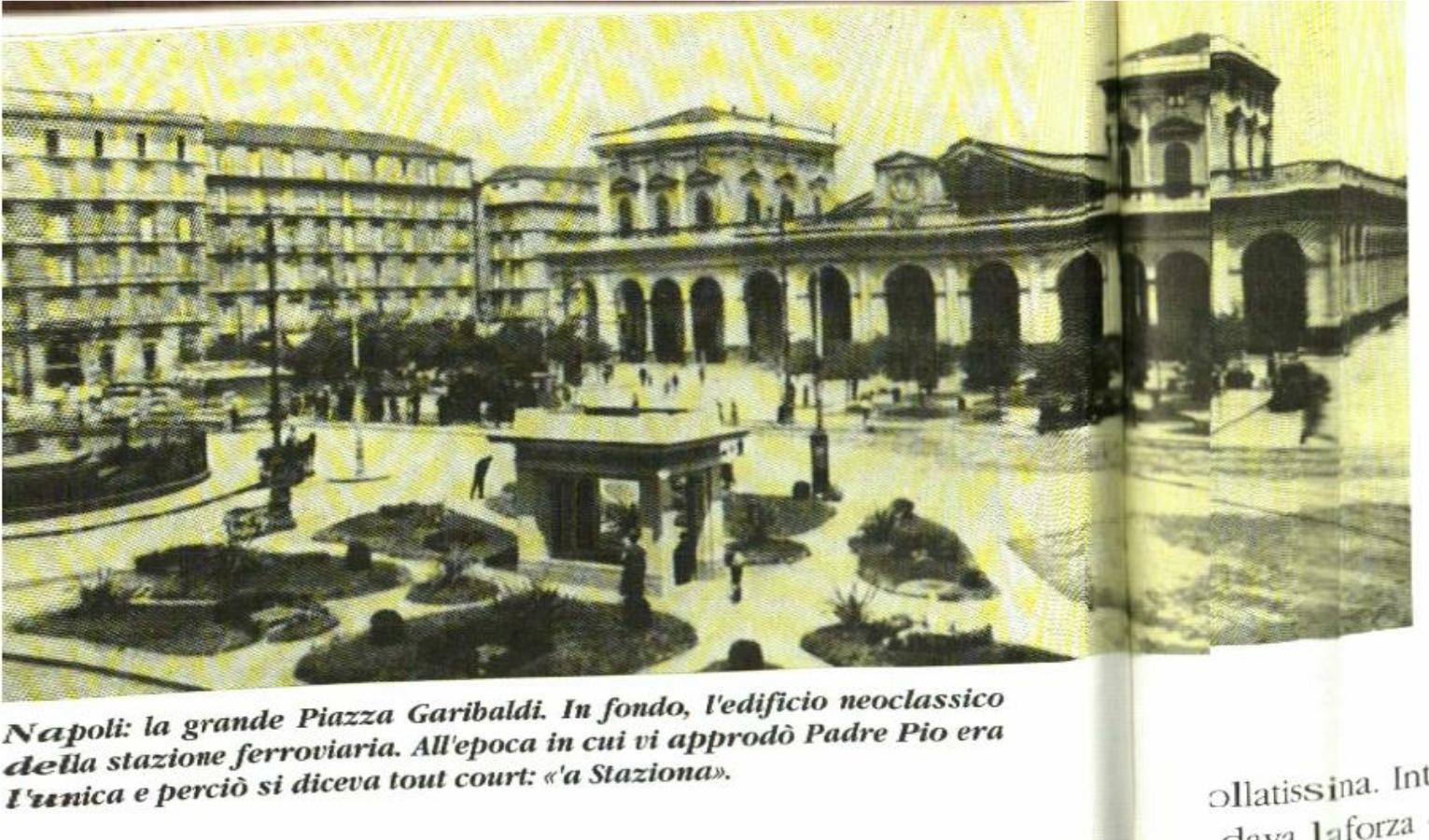
The train station in Napoli at the times of Padre Pio.
Padre Pio presented himself to the barracks in Napoli, on December 6, 1915. He was not given a military uniform yet, because his status was pending, and was asked to provide meals and lodging outside the military compound, while waiting for a medical evaluation. He was staying at the pension of Maria Valillo, in Via Cappuccinelle, 18.
[16] [17]
[16] Epist. I,
696
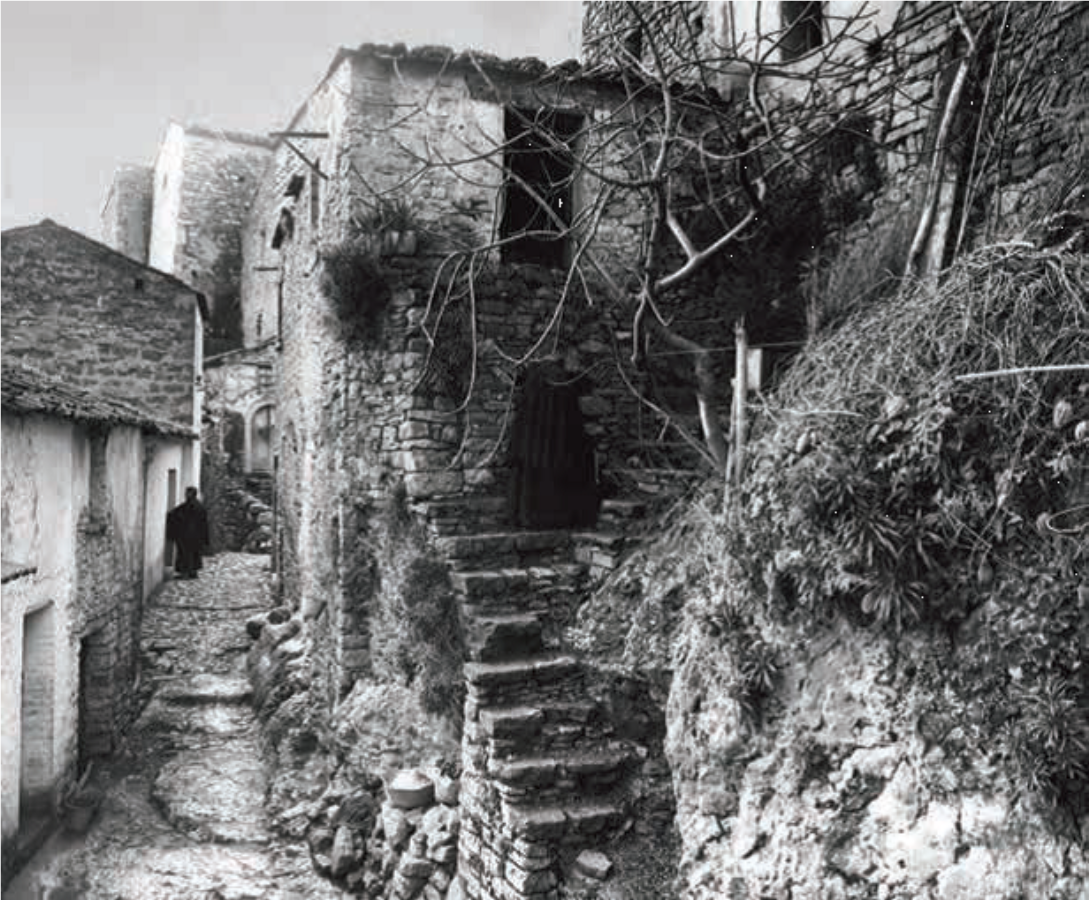 "La Torretta" one room dwelling were Padre Pio
lived in Pietrelcina after the ordination to priesthood."
"La Torretta" one room dwelling were Padre Pio
lived in Pietrelcina after the ordination to priesthood."
Pietrelcina, December 20, 1915:
“On Saturday the 18th,
with the help of Jesus I came back from Napoli.”[22]
The fact that Padre Pio, because of his poor health, had to stay at home
in Pietrelcina and not in the convent, had his superiors feeling uneasy
about it. They tried repeatedly to have him return to the conventual
community life. Soon an opportunity came about to have Padre Pio to go
to the Capuchin convent in Foggia.[23]

On January 31, 1916,
Padre Agostino wrote to Padre Pio that the noblewoman Raffaelina Cerase,
gravely ill, had expressed the desire to meet Padre Pio before dying. He
suggested to him to make the trip to Foggia to visit her.[24]
Padre
Agostino didn’t want to pick him up, because in previous occasions the
people of Pietrelcina had insulted him fearing that “our little saint”
would be removed from town. Padre Agostino “feared a lynching”.[25]
On February 17, 1916 Padre Pio, having agreed with the request, left
Pietrelcina and reached the convent of St. Anna in Foggia. He thought
that he would stay there only few days; instead he remained for about
six months, until September 4, 1916.[26]
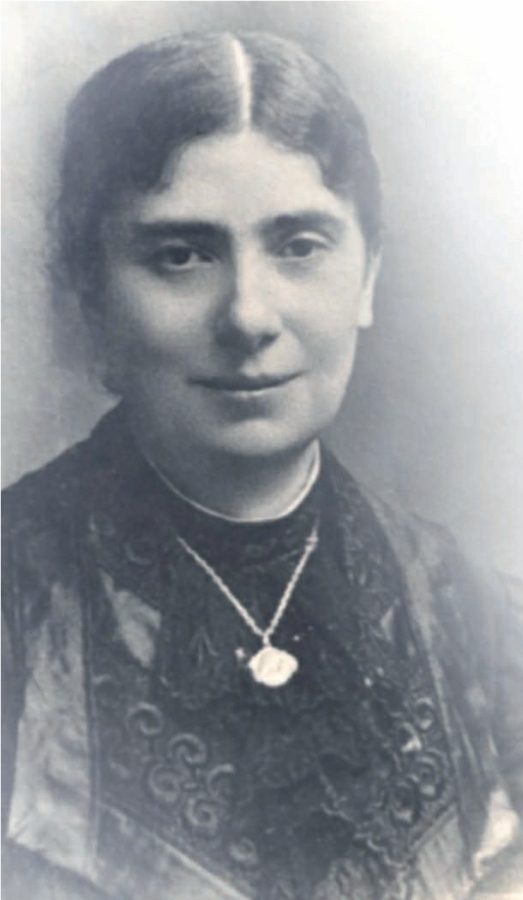
Raffaelina Cerase from Foggia, now Servant of God, In 1914 she started
exchange of numerous letters with Padre Pio for spiritual direction. The
second volume of Padre Pio’s Epistolary is all dedicated to the
correspondence between Padre Pio and Raffaelina.[27]
In 1915 she became gravely ill and asked his superiors if Padre Pio
could be sent to Foggia to assist her. At that time Padre Pio was at his
home in Pietrelcina in convalescent leave.[28]
Raffaelina Cerase was visited daily by Padre Pio from February 17, 1916,
until the day of her death on March 25, 1916.[29]
[30]
At 4:00 in the morning of the 25th
a man knocked at the door of the convent. Padre Nazareno da Arpaise
opened the door. The man said that Raffaelina Cerase had died. Padre
Nazareno went to tell the news Padre Pio. Padre Pio: “I know. I assisted
her: she went straight to Paradise.”[31]
[32]
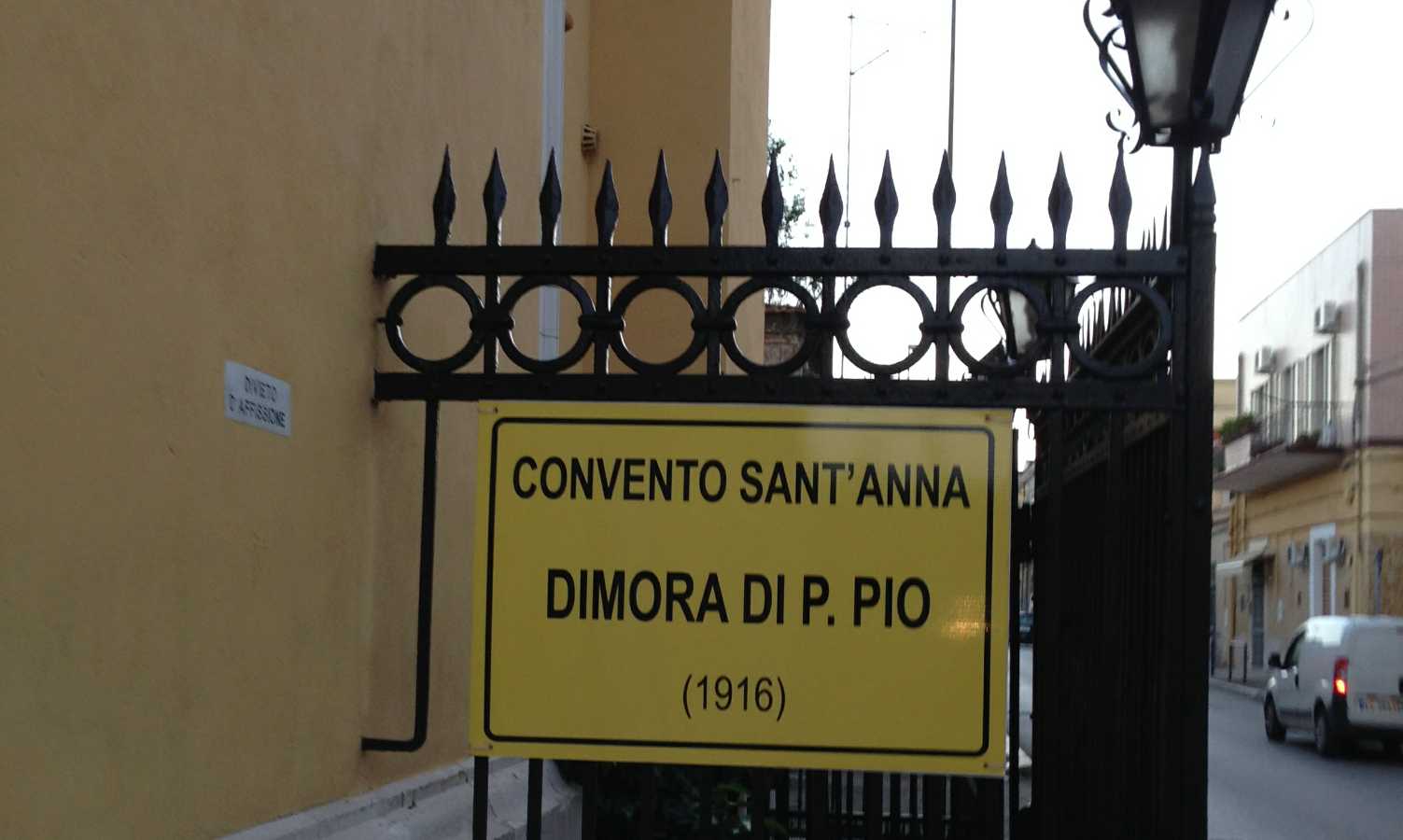
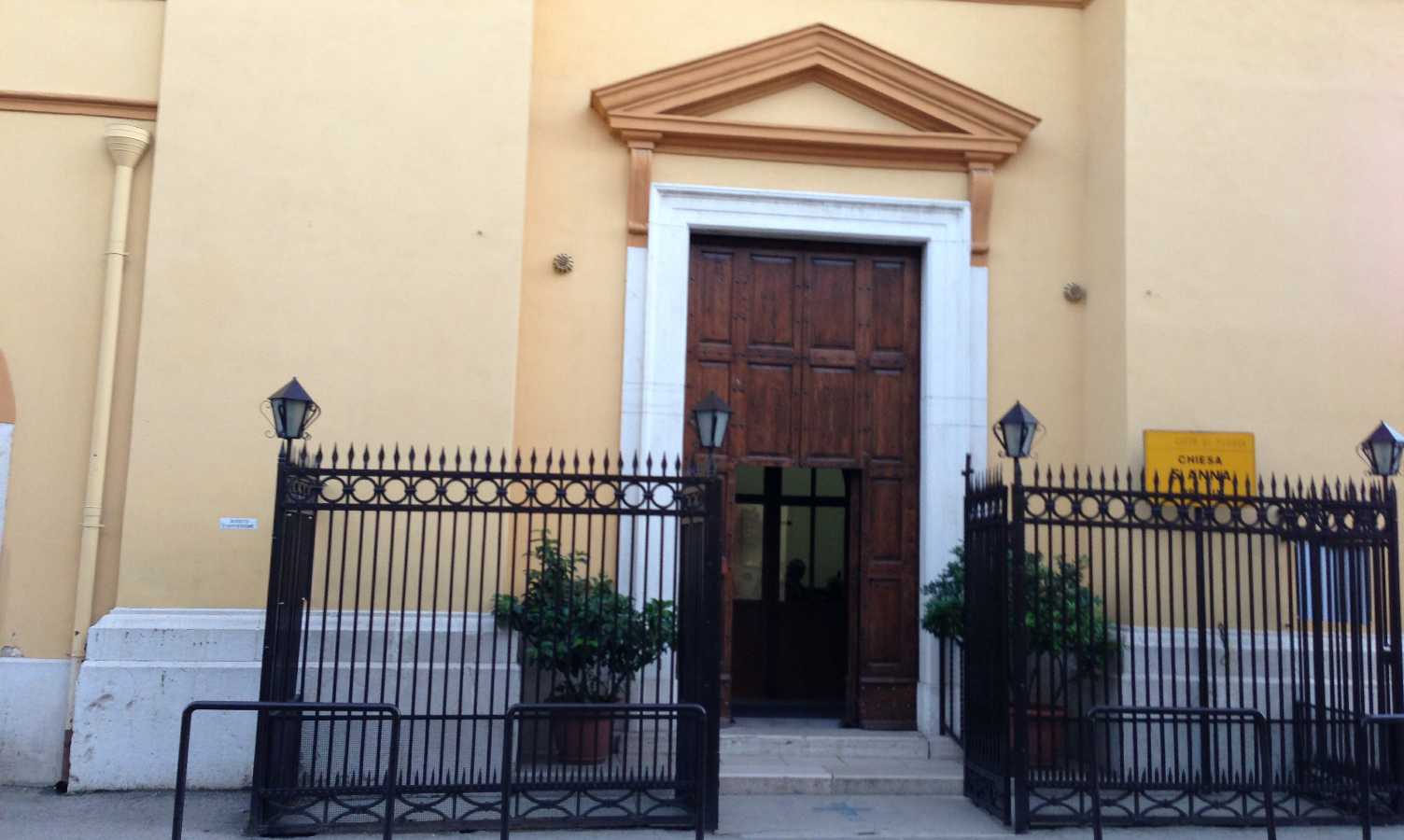
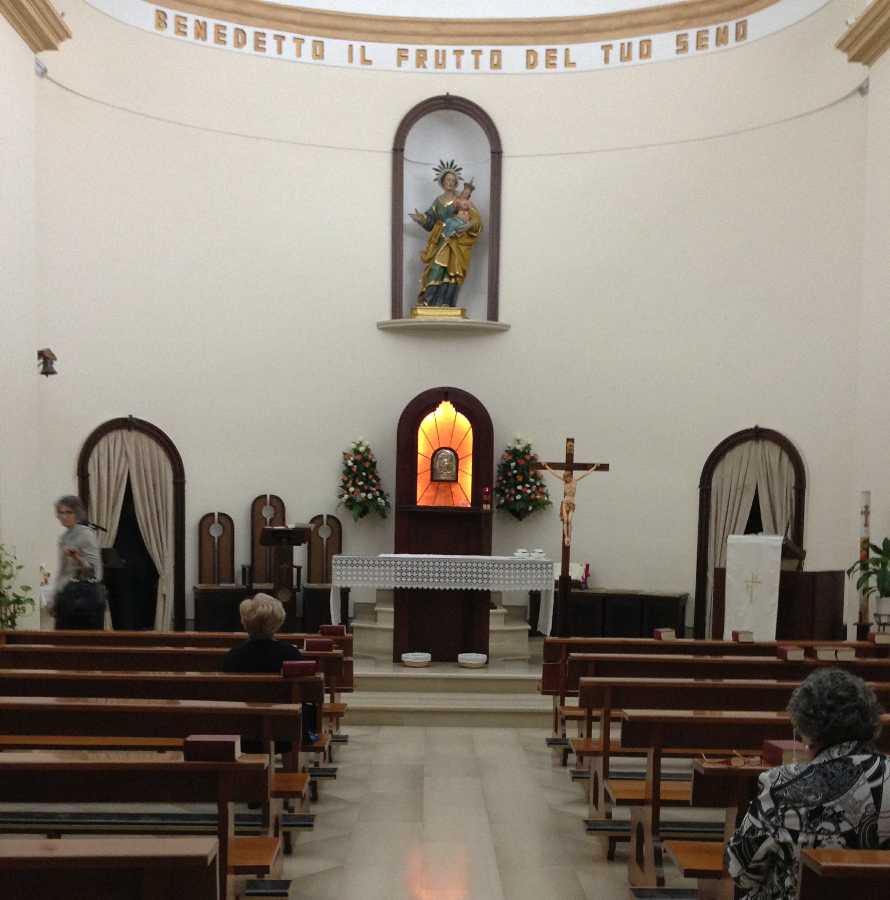
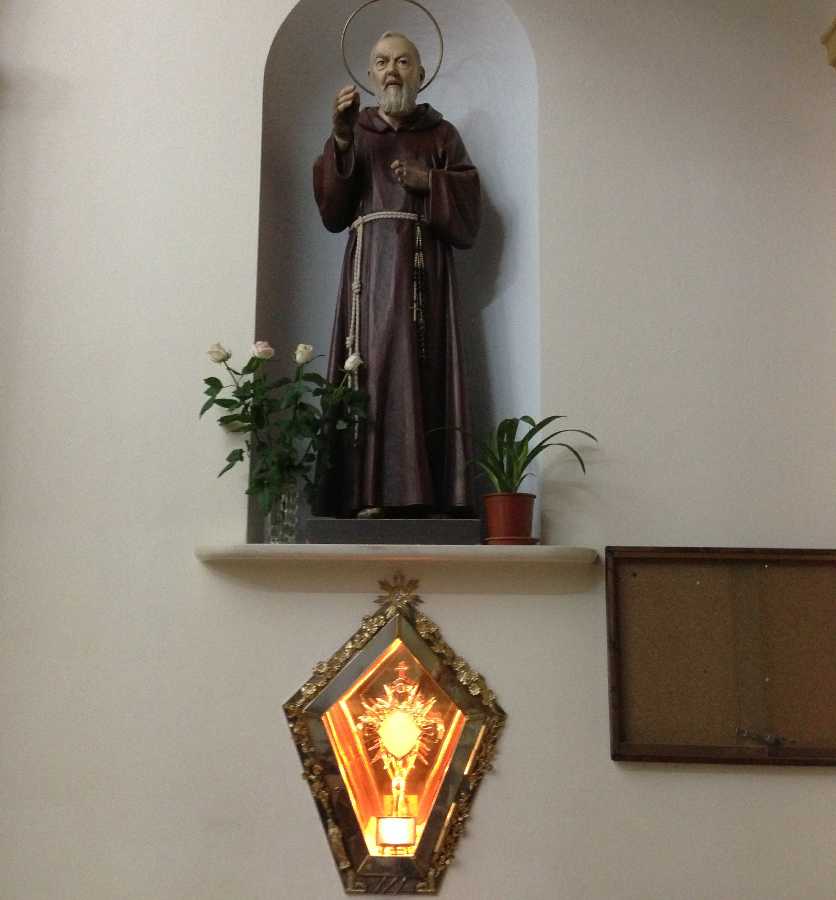
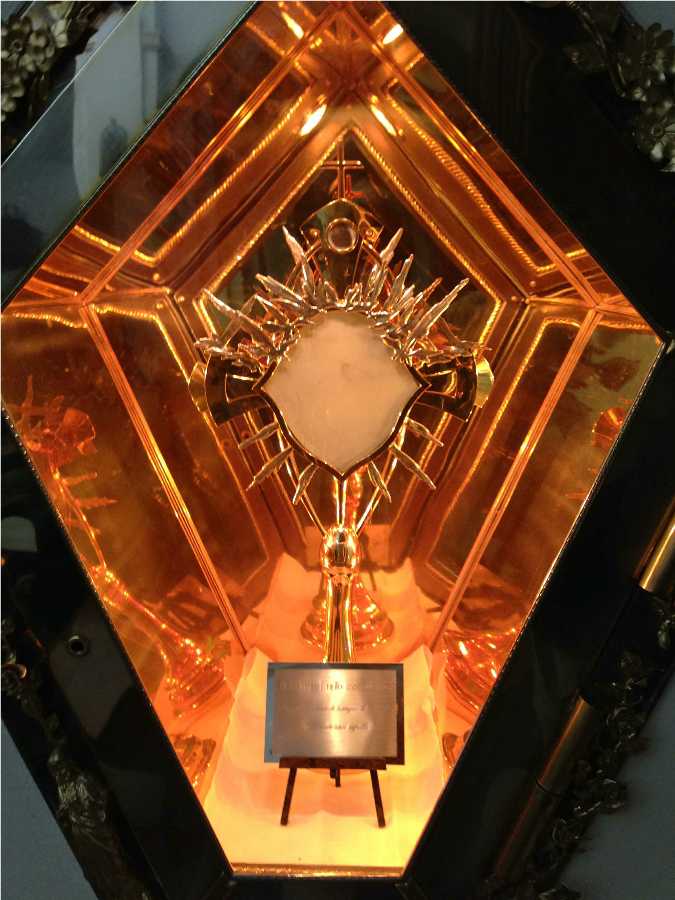
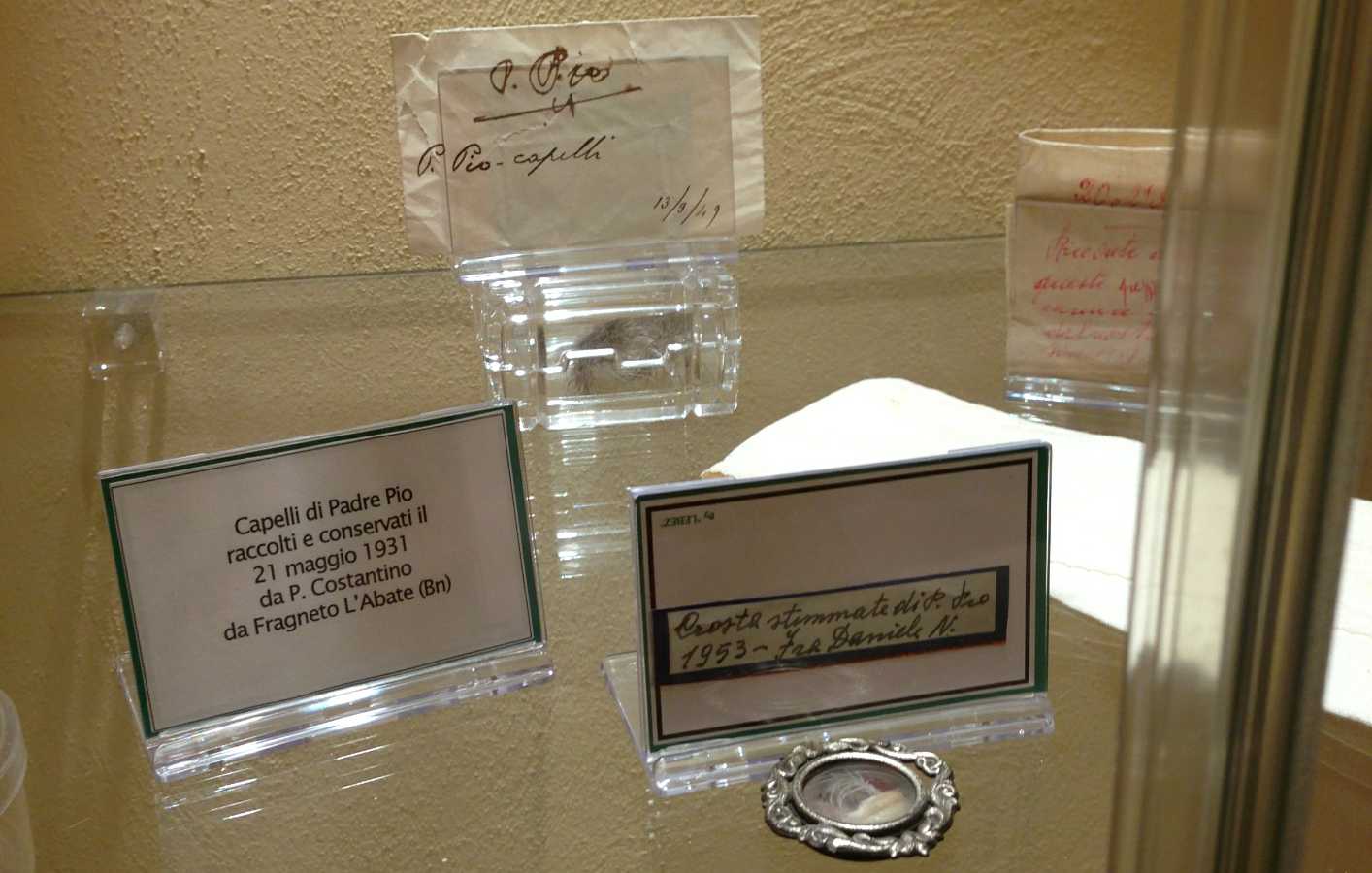 Church of St. Anna in Foggia, and relics of Padre Pio.
While in Foggia Padre Pio usually did not join the friars for dinner.
One evening the friars heard a terrible noise coming from Padre Pio’s
room. They run to his room and found him beaten and prostrated. He was
sweating so profusely that the undershirt looked like it had just been
removed from a basin full of water.
[33]
That was until the Superior ordered Padre Pio to ask the Lord to stop
those noises that disturbed the peace and scared the friars. Padre Pio
obediently asked, and the noises coming from the devils stopped.[34]
[35]
[36]

While in Foggia, Padre Pio’s health was not good. On July 28, 1916,
Padre Pio went from Foggia to
San Giovanni
Rotondo,
25 miles away, to visit Padre Paolino, the superior at the convent, for
few days. The cooler mountain air and fresh breezes proved extremely
beneficial to his health, and the quiet and solitude were most agreeable
to his spirit.[40]
[41]
He asked the provincial superior to be transferred to that convent.[42]
The request was granted on August 17.[43]
On September 4, 1916 Padre Pio left Foggia for San Giovanni Rotondo.[44]
The convent would be his permanent home for next 52 years, except for
the stint in military service, until his death.[45]
1916
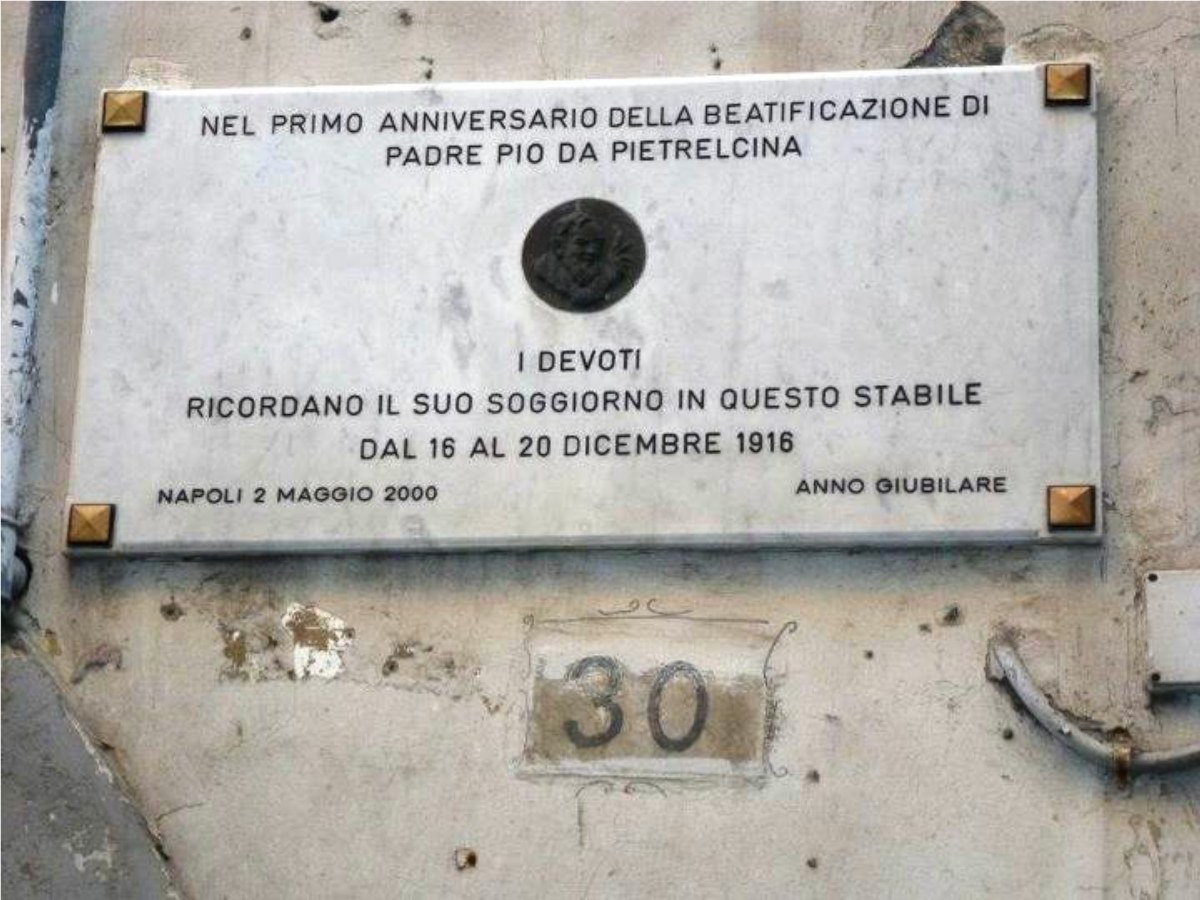
In December 1916, at the expiration of the twelve months of convalescent
leave, Padre Pio returned to the military district of Napoli.[46]
In Napoli he stayed for room and board at the pension of Carolina
Montanile, who was a native of Petrelcina.[47]
Her pension was located on #30 SS. Cosma e Damiano street.[48]
Saturday December 16, was set as a date for his medical examination at
the military hospital in Napoli. In that examination the diagnosis of
the previous year was confirmed, and he was put under observation.
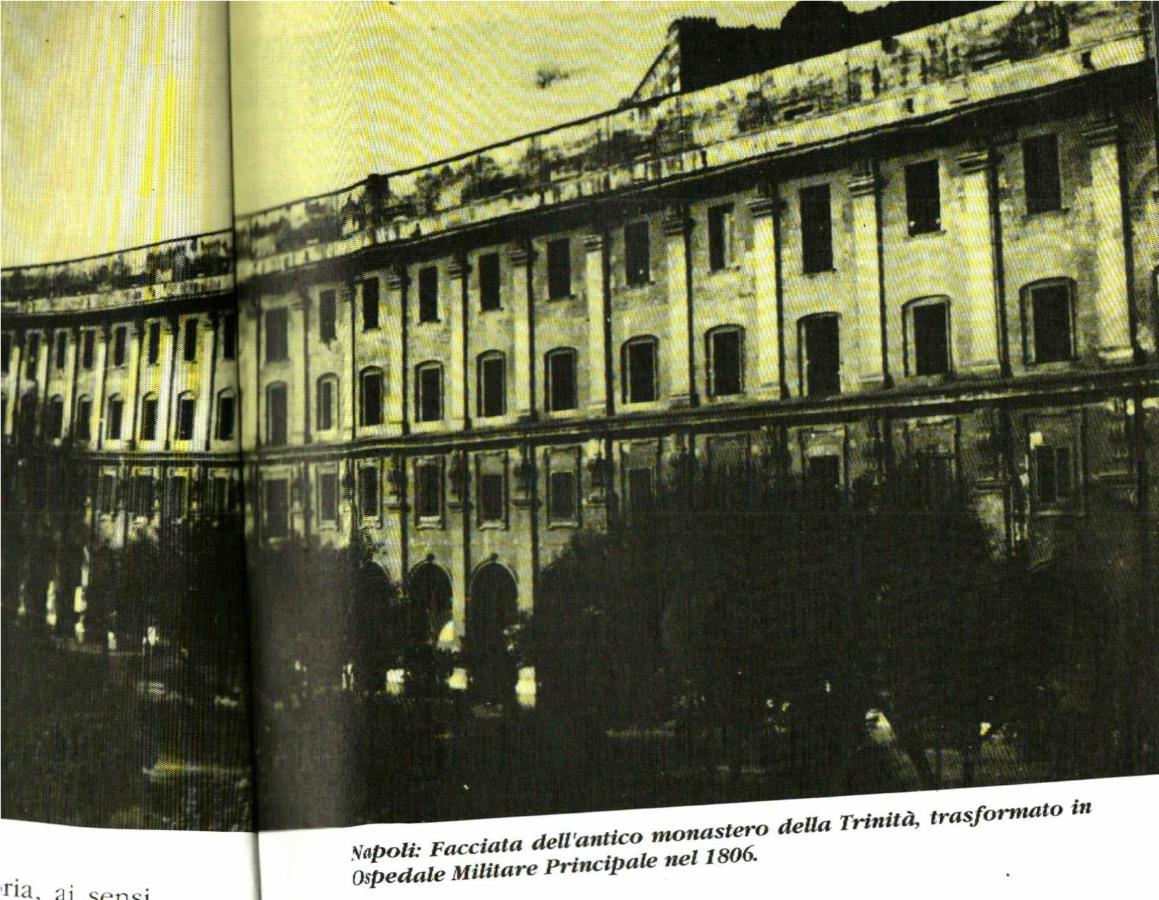
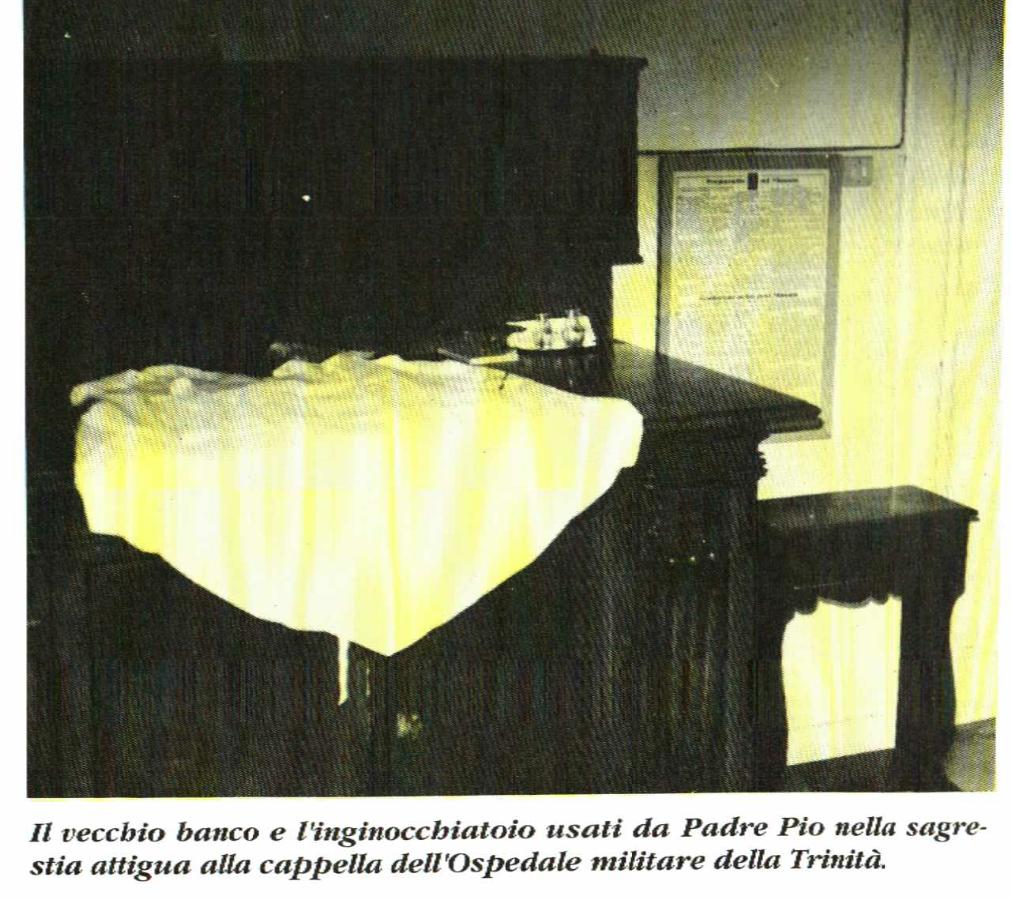
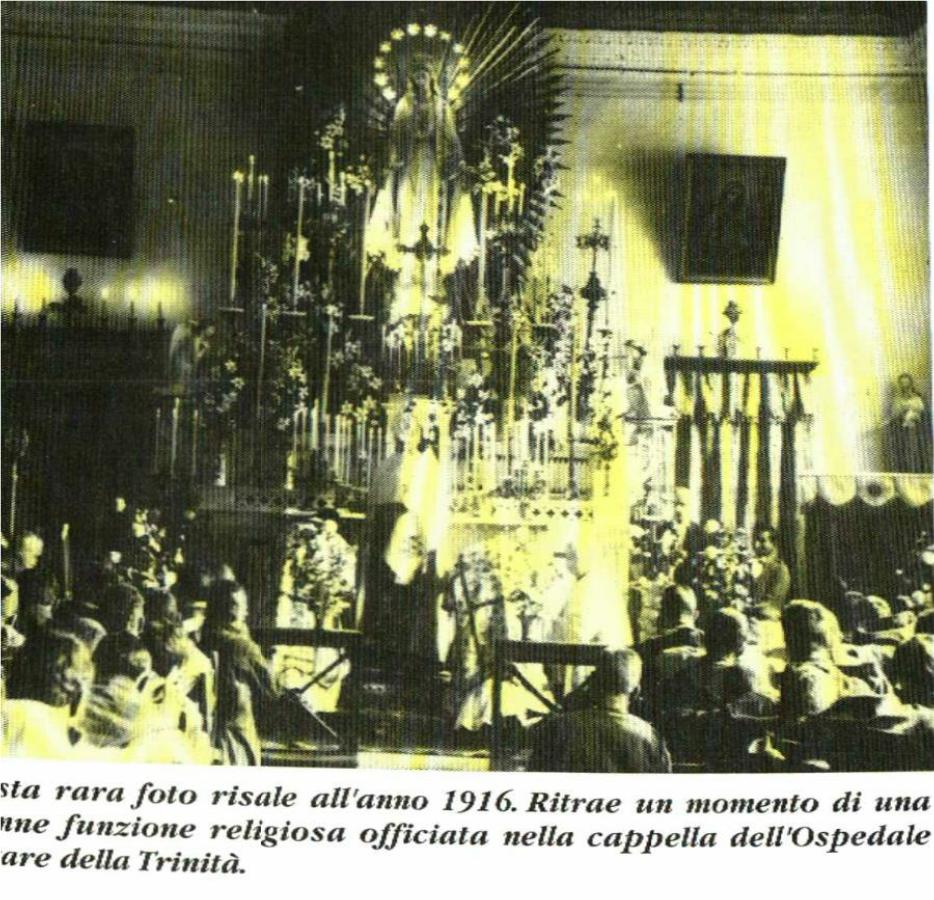 During
this stay in Naples Padre Pio was visited by his father Zi’ Grazio, who
brought him fresh products from the farm in Piana Romana.[49]
During
this stay in Naples Padre Pio was visited by his father Zi’ Grazio, who
brought him fresh products from the farm in Piana Romana.[49]
He spent Christmas at the Hospital. He assisted to the midnight Mass
with the other soldiers. In the morning he said Mass alone, with one
other recruit serving at the altar.[50]
[51]
[52]
[53]
On December 30, after a third examination he was given a six month
convalescent leave, with the instruction to wait for new orders. Padre
Pio left the military hospital on January 2, 1917. He had brief stays in
Pompei, Pietrelcina, and Foggia, and returned to San Giovanni Rotondo on
January 6, 1917.[54]
[55]
December 30, 1916, Trinity Military Hospital:
“Just this
morning I had last physical examination and they gave me only six months
of convalescent leave. I’m happy anyway.”[56]
“They
wrote: pulmonary infiltration on both apexes and chronic bronchial
catarrh widely diffused.”[57]

Lucia Fiorentino
Lucia Fiorentino, from San Giovanni Rotondo, met Padre Pio in the convent, at the end of July, 1916.
She became one of the spiritual daughter, and wrote a diary on sixteen notebooks currently kept in the friary.
In 1906 she had written in her diary of a vision she has had: “I saw an enormous tree in the atrium of our Capuchin convent. And I heard a voice telling me: ’This is the symbol of a soul that now is far away, and will come here, and will do so much good in this town. His mission will extend all over the world, and many will come and take refuge in the shade of this mystical tree. This tree will cover with his shade the whole world.’ ” (Epist. III, 469-71)
1917
For Padre Pio the longest trip of his life was the one from San Giovanni
Rotondo to Rome. He accompanied his sister 22 years old Graziella to
Rome, where she would take the veil in the Order of St. Bridget. He left
San Giovanni Rotondo May 14, 1917, went to Pietrelcina the 15th,
and the 16th
he and his sister left for Rome. He returned to San Giovanni Rotondo the
23rd
of the same month.[59]
[60]
Padre Agostino repeatedly asked Padre Pio to give him details of his
trip to Rome, to no avail. On June 9, 1917 Padre Pio wrote to him: “I am
sorry I can’t satisfy your request in the two last letters. That’s what
Jesus wants and so be it.”[61]
[62]
[63]
1917
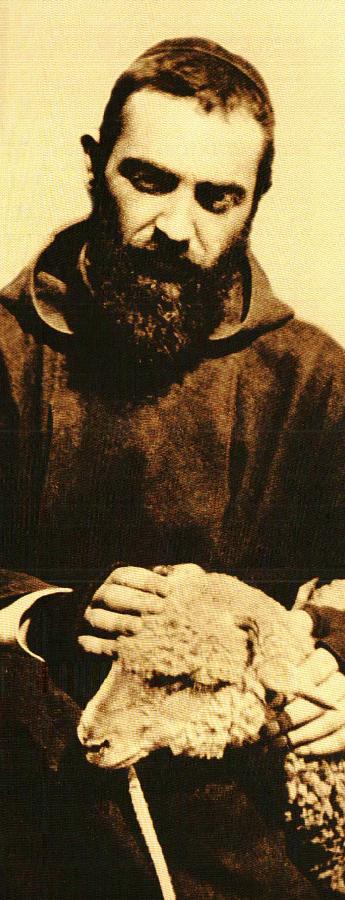 On
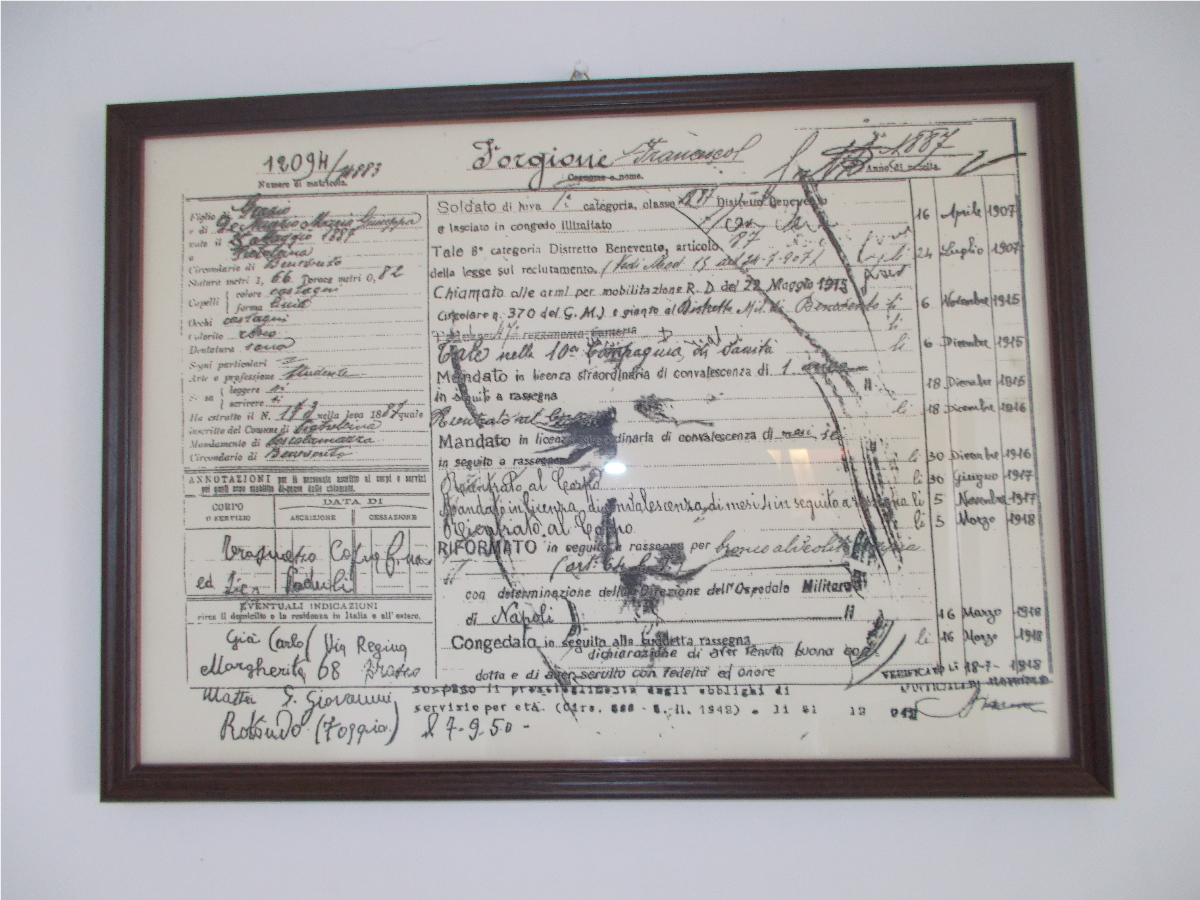
June 30, 1917 the six months of convalescent leave had expired. In the
official record of service there is clearly written that he “Returned to
the Corps on June 30, 1917.” (‘Ritornato al Corpo iol 30Giugno 1917’).[64]
On
June 30, 1917 the six months of convalescent leave had expired. In the
official record of service there is clearly written that he “Returned to
the Corps on June 30, 1917.” (‘Ritornato al Corpo iol 30Giugno 1917’).[64]
However Padre Pio was still in San Giovanni Rotondo, on August 18, 1917,
because he was waiting for instructions. On that day he received an
order by telegraph to report immediately to the Military Corps, as he
reported in a letter. He left San Giovanni Rotondo On August 19, and was
in the barracks on August 20.[65]
San Giovanni Rotondo, August 18, 1917:
I have been recalled by telegraph for military service. I will have to
leave right away tomorrow morning. May God help me in this hard trial,
and free me as soon as possible.”[66]
However it doesn’t seem to have solid ground.[81]
[64] Cap12, 154
[76] Del62, 54-6
Sant'
Angelo1917
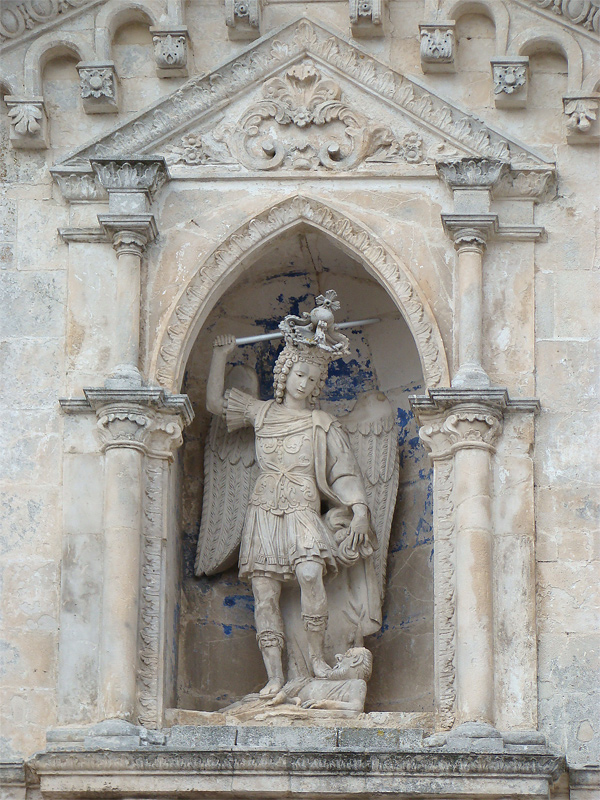
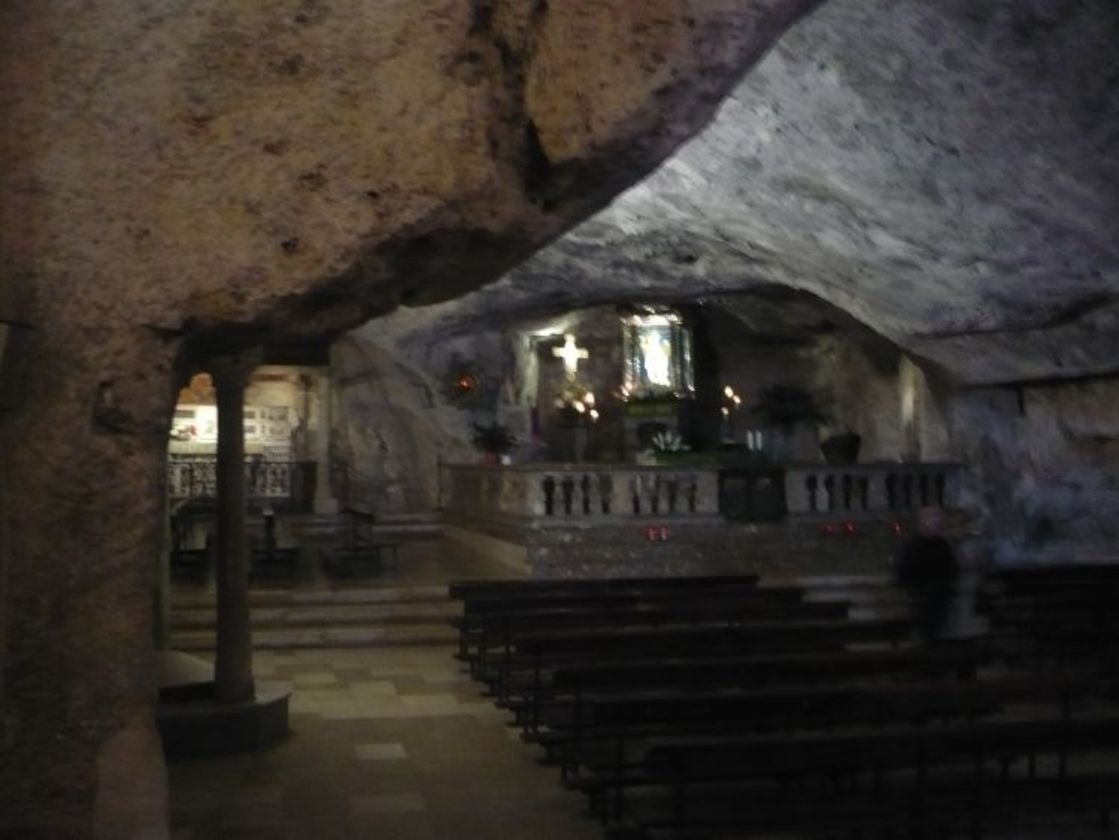 In
the early days of July 1917 Padre Pio went in group pilgrimage to the
shrine of St. Michael in Monte Sant’Angelo. The group consisted of Padre
Pio, Nicola Perotti who offered his horse and carriage, Rachelino Russo,
Vincenzo Gisolfi and fourteen students of the seraphic college. Padre
Pio did the pilgrimage part on foot and part on the carriage. Saint
Francis of Assisi too had visited the sanctuary of St. Michael some
centuries earlier.[82]
In
the early days of July 1917 Padre Pio went in group pilgrimage to the
shrine of St. Michael in Monte Sant’Angelo. The group consisted of Padre
Pio, Nicola Perotti who offered his horse and carriage, Rachelino Russo,
Vincenzo Gisolfi and fourteen students of the seraphic college. Padre
Pio did the pilgrimage part on foot and part on the carriage. Saint
Francis of Assisi too had visited the sanctuary of St. Michael some
centuries earlier.[82]1917
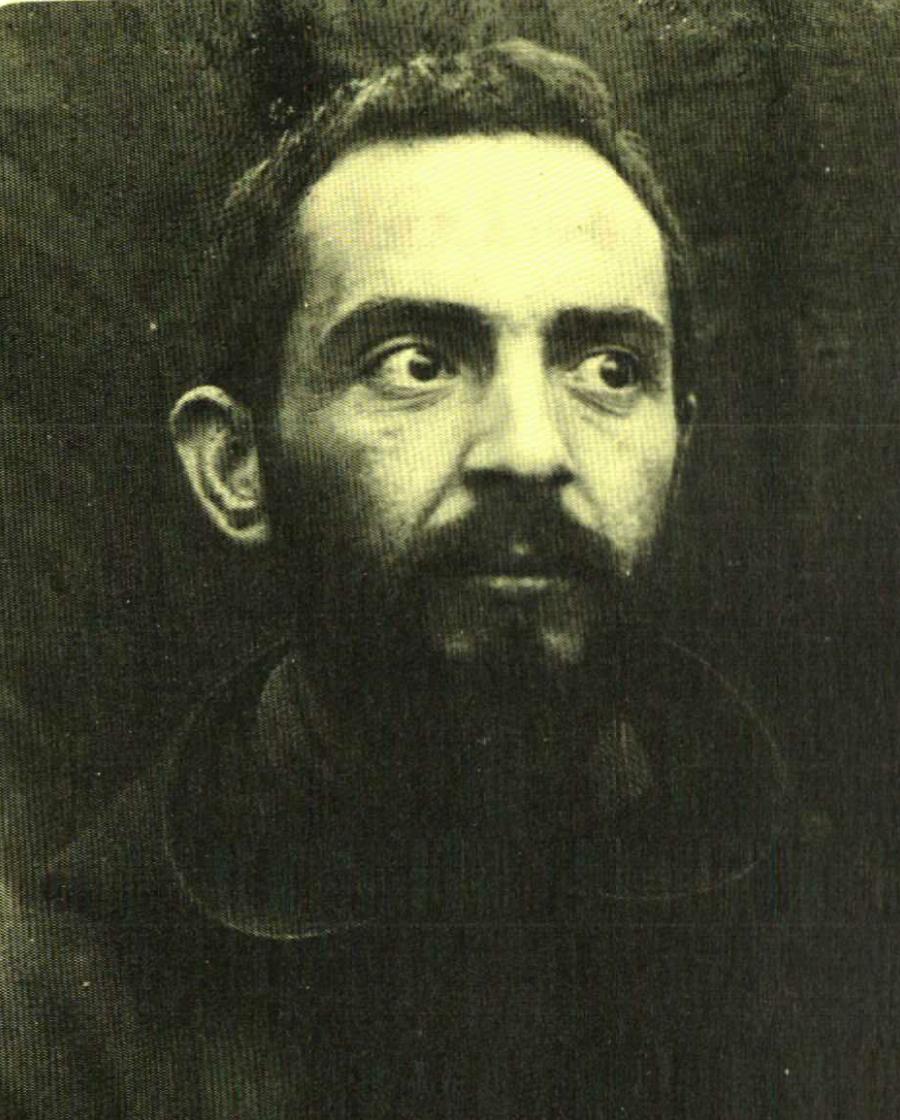
Back
in the Sales barracks in Naples, on August 20, 1917, Padre Pio had two
physical examinations and got the same diagnosis of infiltration of
pulmonary apex.[83]
He was kept on observation. A following exam on August 26, confirmed the
diagnosis and Padre Pio was transferred to the fist medical clinic of
the University Hospital.[84]
There, he had an exam on September 24, and despite confirming the
diagnosis, he was declared able for internal services and assigned to
infantry.
[85]
[86]
[87]
Napoli, September 4, 1917:
“By now I have resigned myself. Jesus wants that I
too, like many others of our brothers, do military service. I’d like to
be wrong, but it’s not possible.”[89]
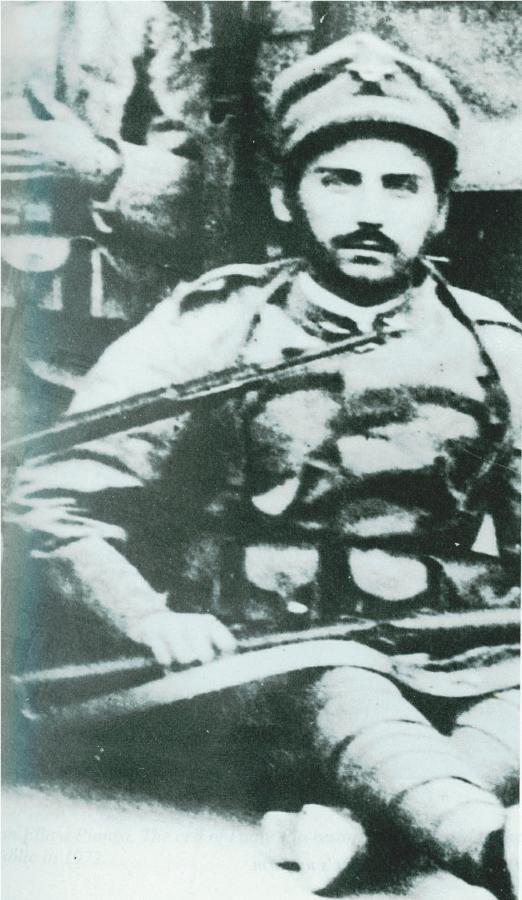 On September 4, 1917 he was assigned a military
uniform and he had to put in storage the Capuchin habit. He stayed in
uniform until November 5, 1917.[90]
On September 4, 1917 he was assigned a military
uniform and he had to put in storage the Capuchin habit. He stayed in
uniform until November 5, 1917.[90]While in uniform he was holding open an umbrella
during a thunderstorm. In crossing Piazza Dante he was stopped by an
officer and reminded that it was absolutely forbidden to carry an
umbrella while in military uniform. Padre Pio recalled how the officer
mellowed up during the conversation, and let him go unpunished, even
suggesting which tram to take to reach faster the barracks.
(Cap12, 168-9)
For fear that his clothes whould be stolen, he put on
everything he had. When he was asked to undress, at a physical exam on
September 4, 1917, it was not an easy task. The doctor, observing the
layers removed, remarked that he had put on an entire store of clothes!(Cap12,
159)
Because of his condition he was ordered special meals, including chicken. The chicken ended up in the drawer of the bedside table, and later in the stomachs of other patients.(Pre00, 96)
Because of his condition he was ordered special
meals, including chicken. The chicken ended up in the drawer of the
bedside table, and later in the stomachs of other patients.[93]
Giuseppina Morgera and Antonietta Vona
During his stay in Naples Padre Pio met two of his spiritual daughters,
and he started a correspondence with them for spiritual direction.
Giuseppina Morgera, from Casamicciola, a town on the island of Ischia,
received several letters from Padre Pio, but those letters have not been
found.[97]
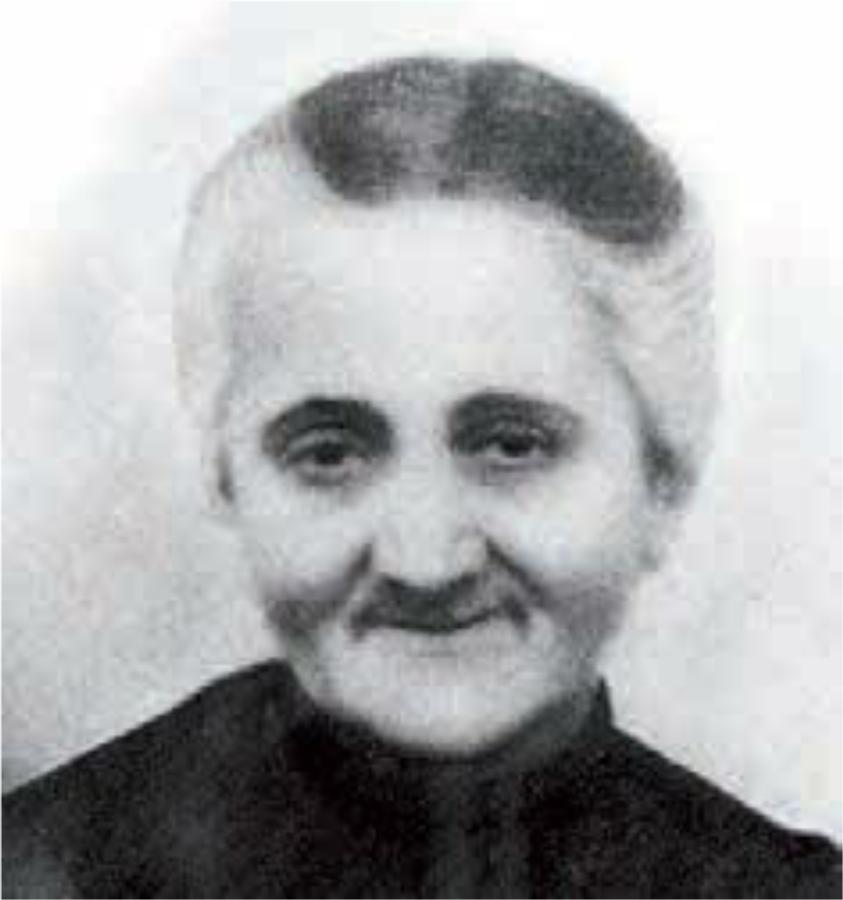 Giuseppina Morgera
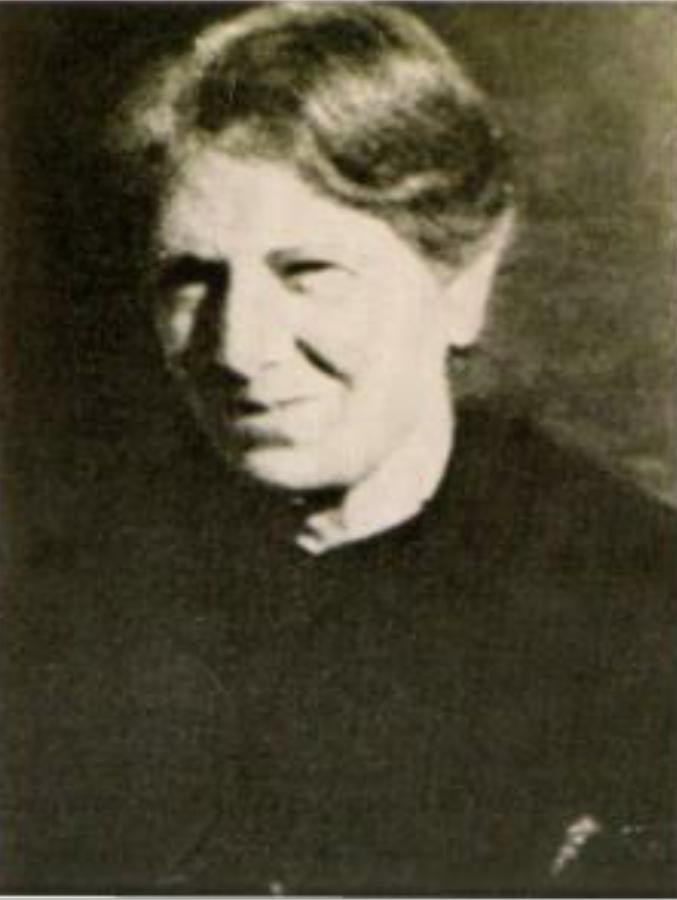 Antonietta Vona
Convalescent leave
On November 5, 1917 he got again four months of convalescent leave, and
after a brief stay in Pietrelcina he returned to San Giovanni Rotondo
the 12th
of November.[99]
bilocation
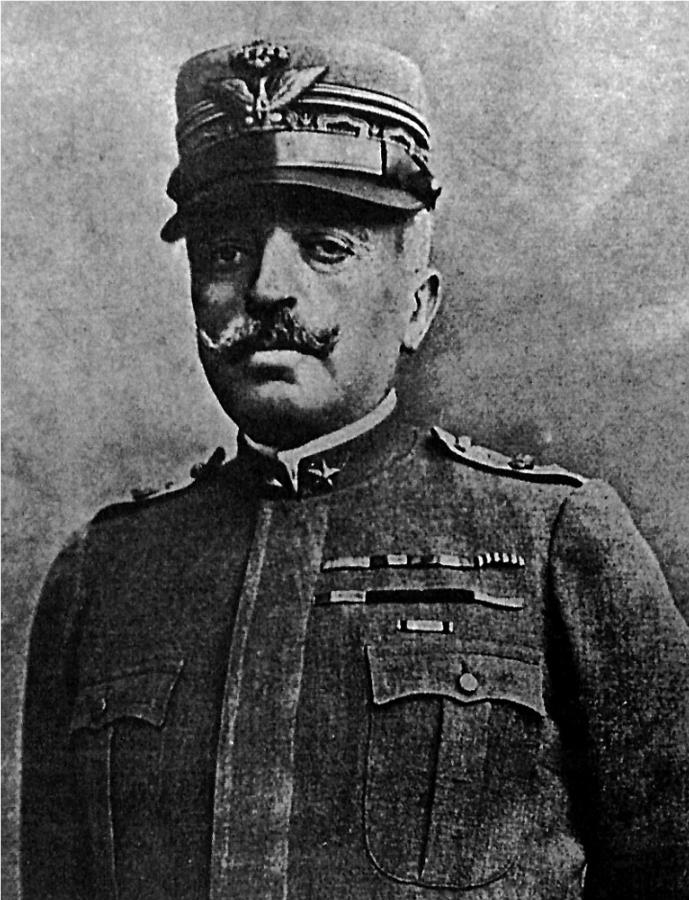 General Luigi Cadorna was the Supreme Commander of Italian Army, when
Italy suffered a humiliating defeat when six hundred thousands troups
either deserted or surrendered to the Austrians at Caporetto, on
November 9, 1917. Cadorna was relieved of his command.[100]
Alone in his office he was about to pull the trigger to shoot himself. A
Capuchin friar appeared in front of him. "General, you will not do this
stupidity!" He didn’t.
[101]
General Luigi Cadorna was the Supreme Commander of Italian Army, when
Italy suffered a humiliating defeat when six hundred thousands troups
either deserted or surrendered to the Austrians at Caporetto, on
November 9, 1917. Cadorna was relieved of his command.[100]
Alone in his office he was about to pull the trigger to shoot himself. A
Capuchin friar appeared in front of him. "General, you will not do this
stupidity!" He didn’t.
[101]
After the war he recognized Padre Pio in a picture, and went to visit
unannounced.
Padre Pio from afar: "Yeah, general, we had a narrow escape that night!"[102]
[103]
1918


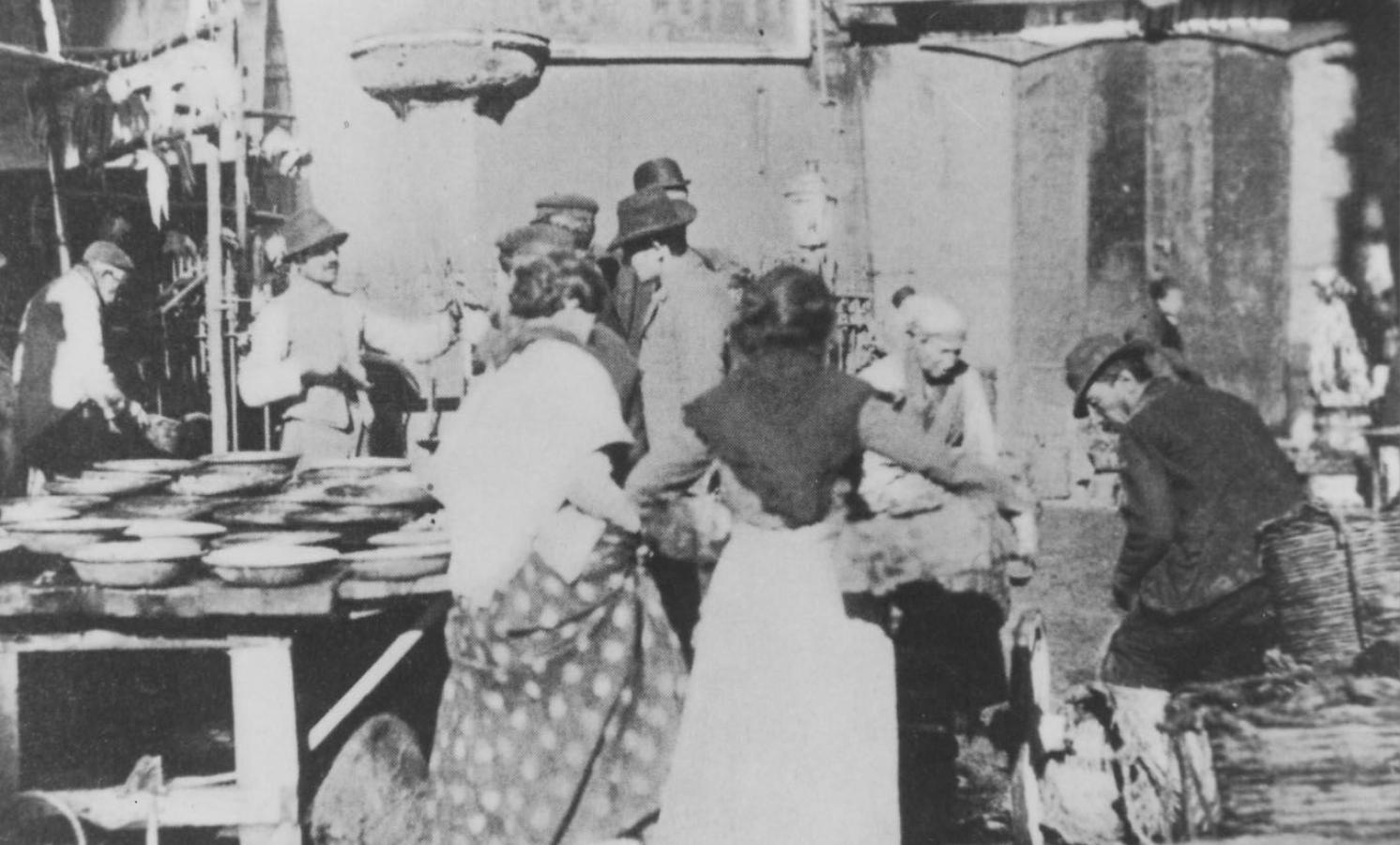
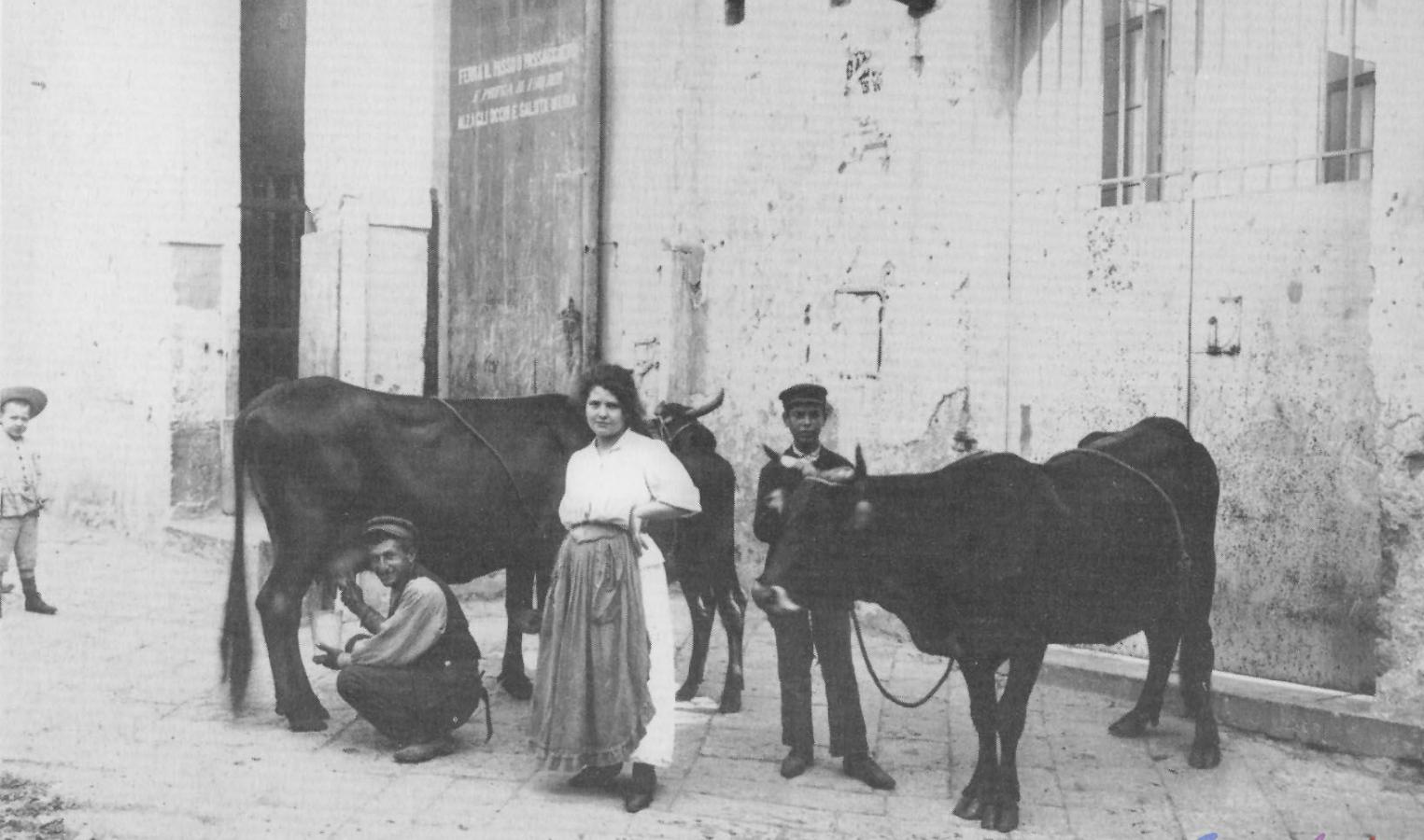
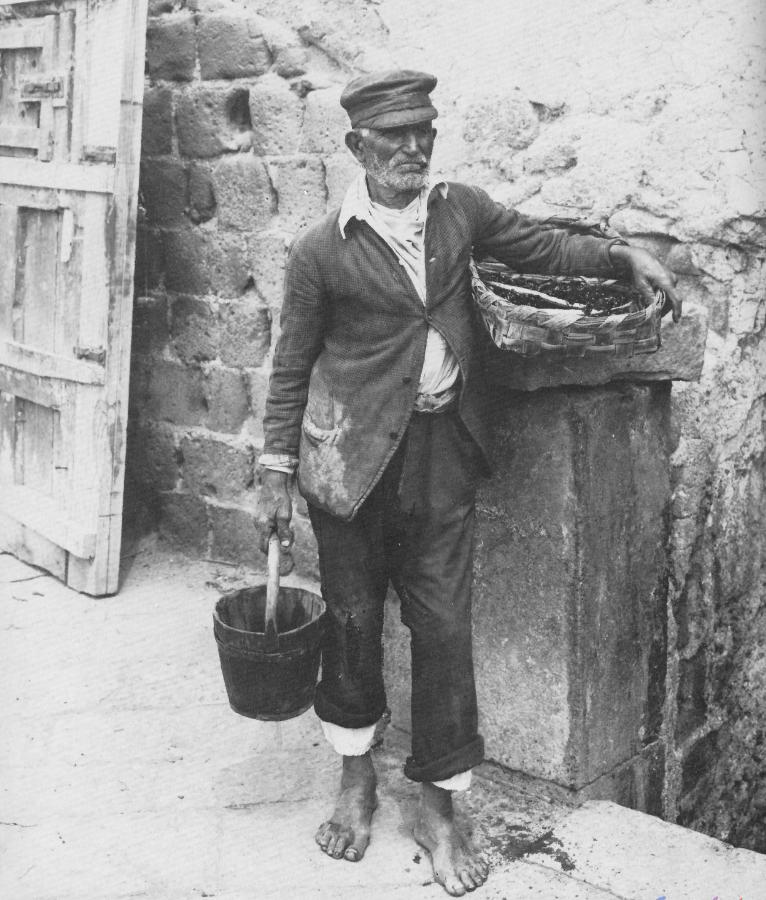
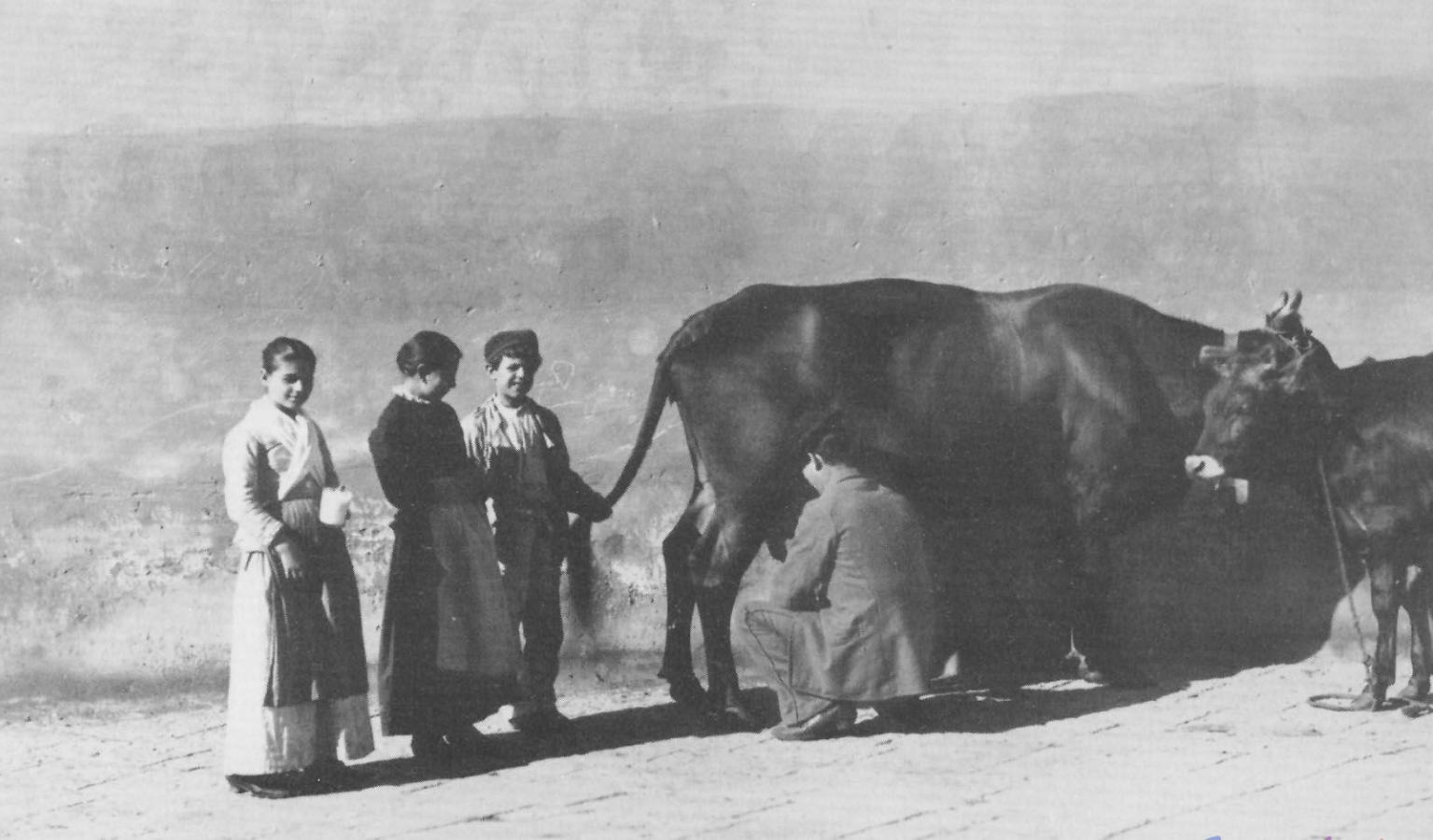
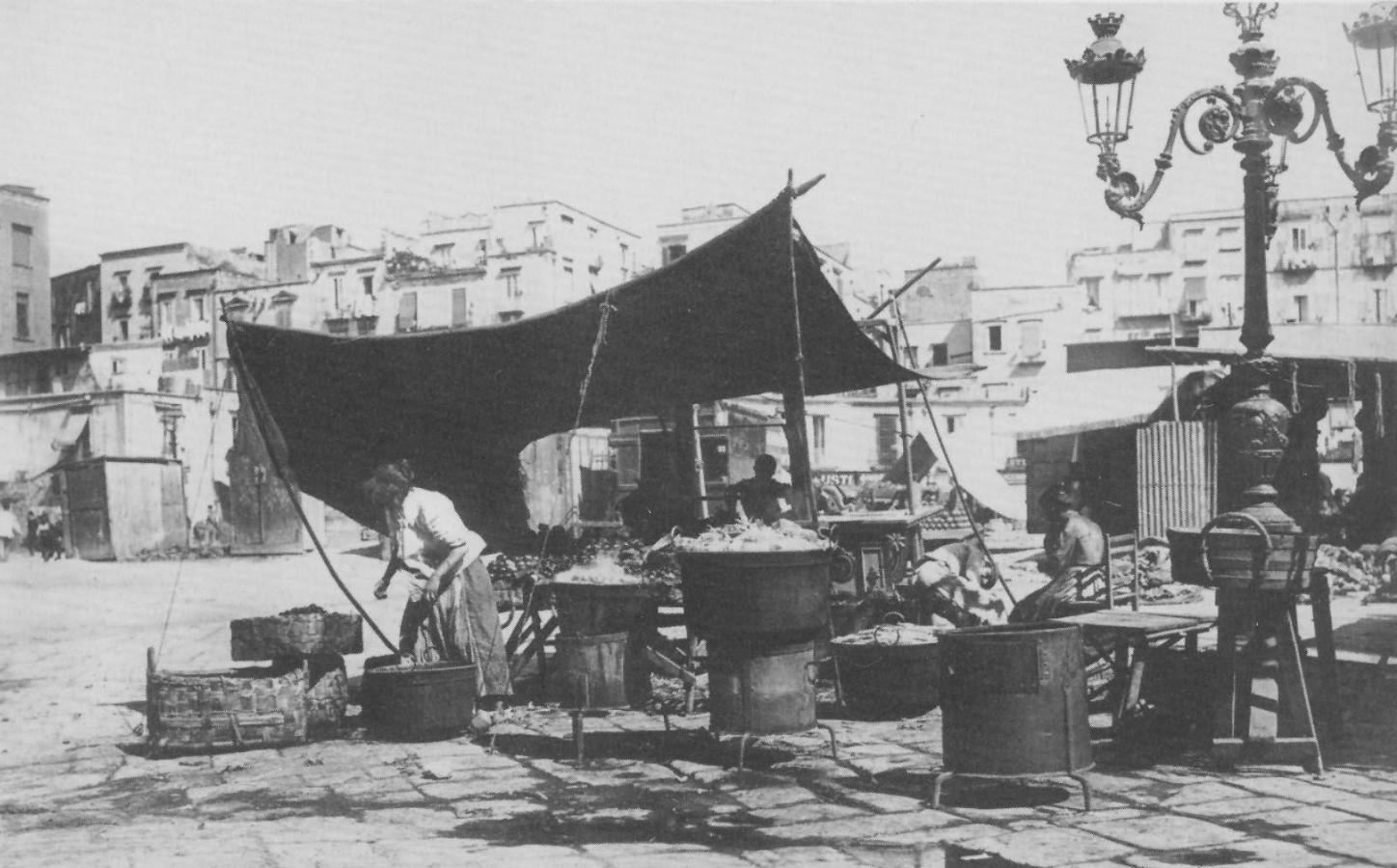
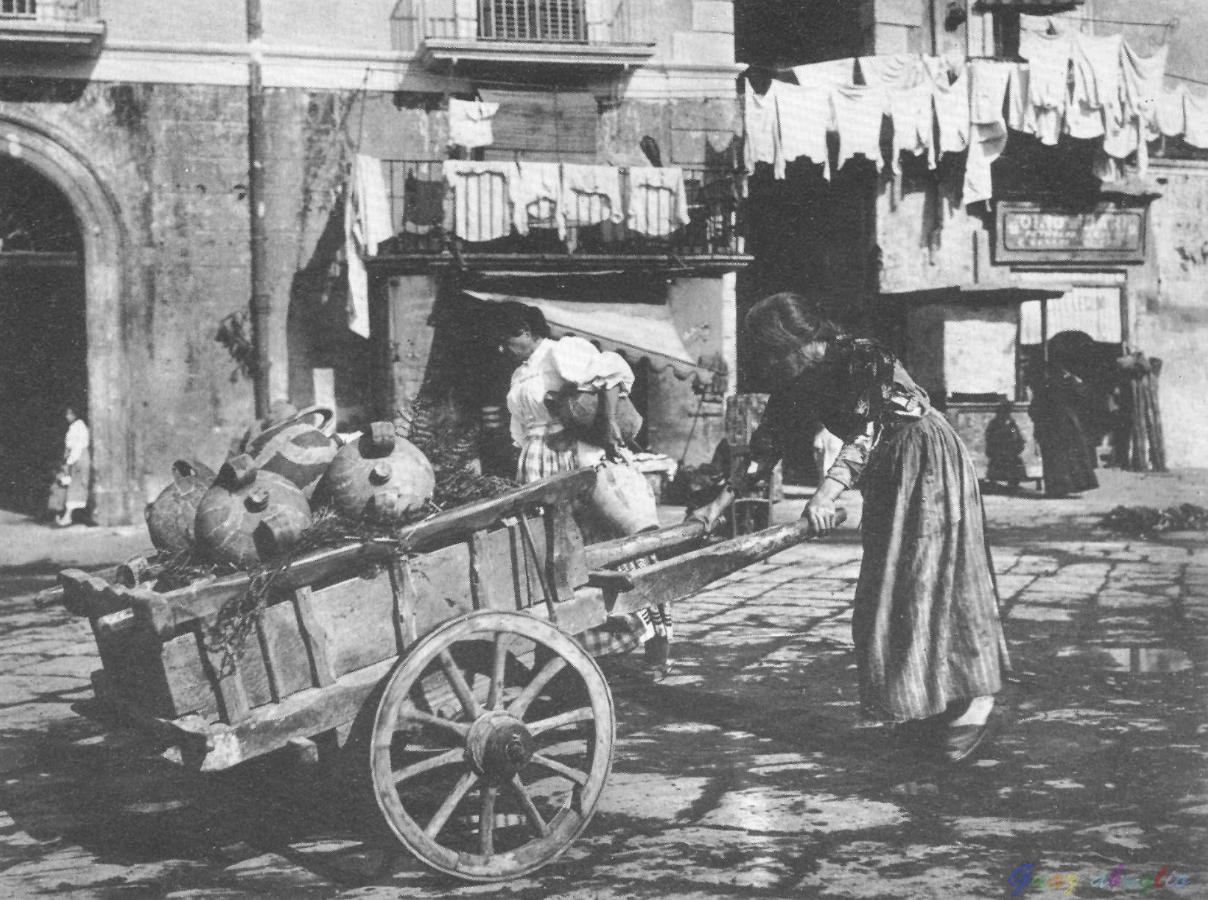
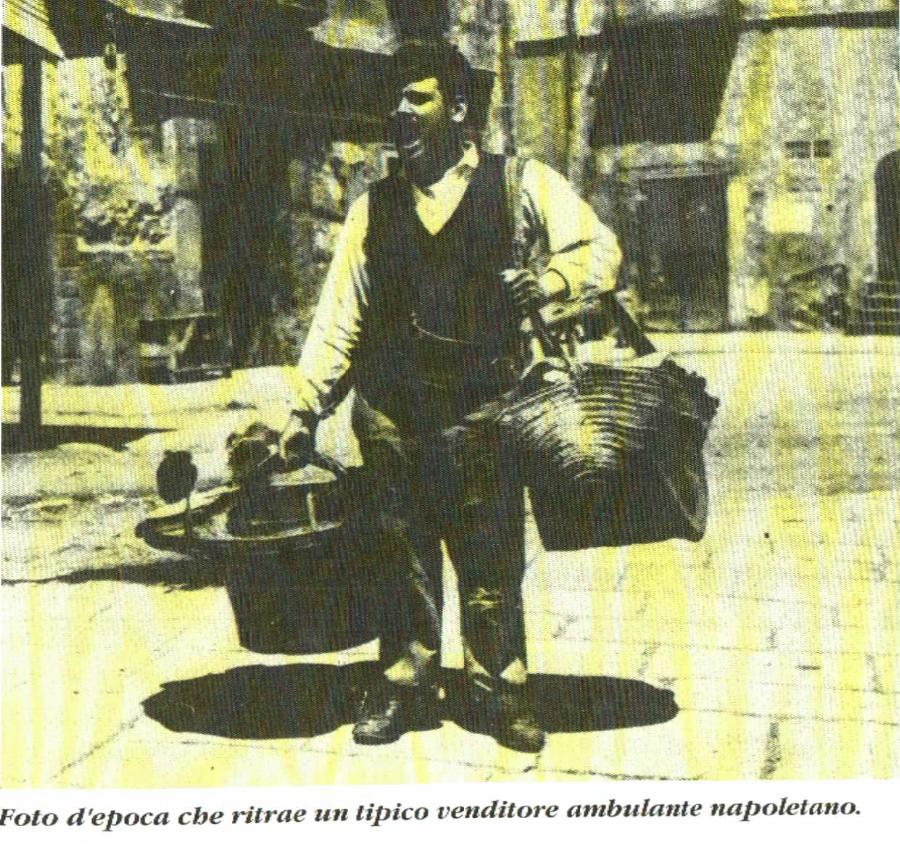
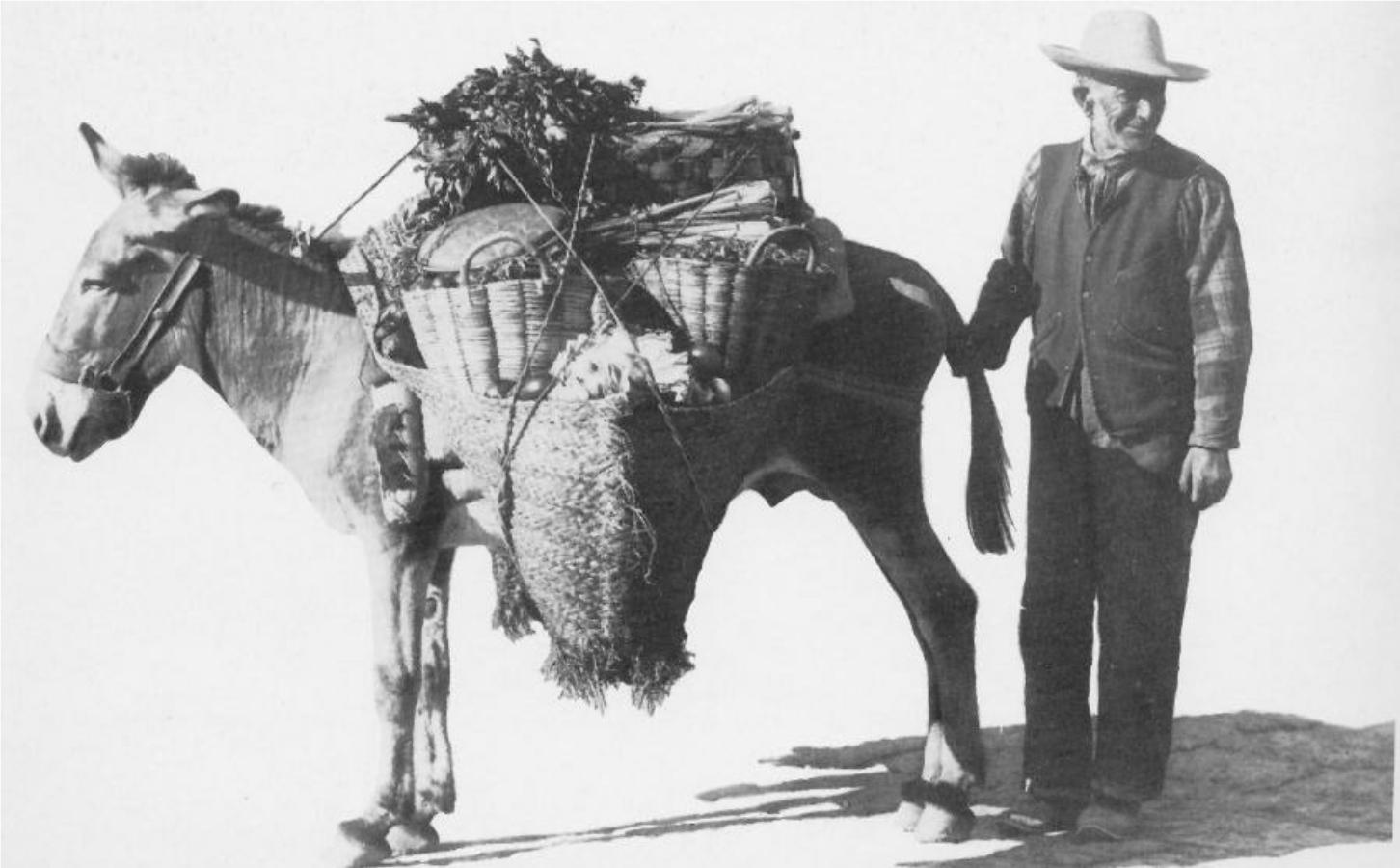
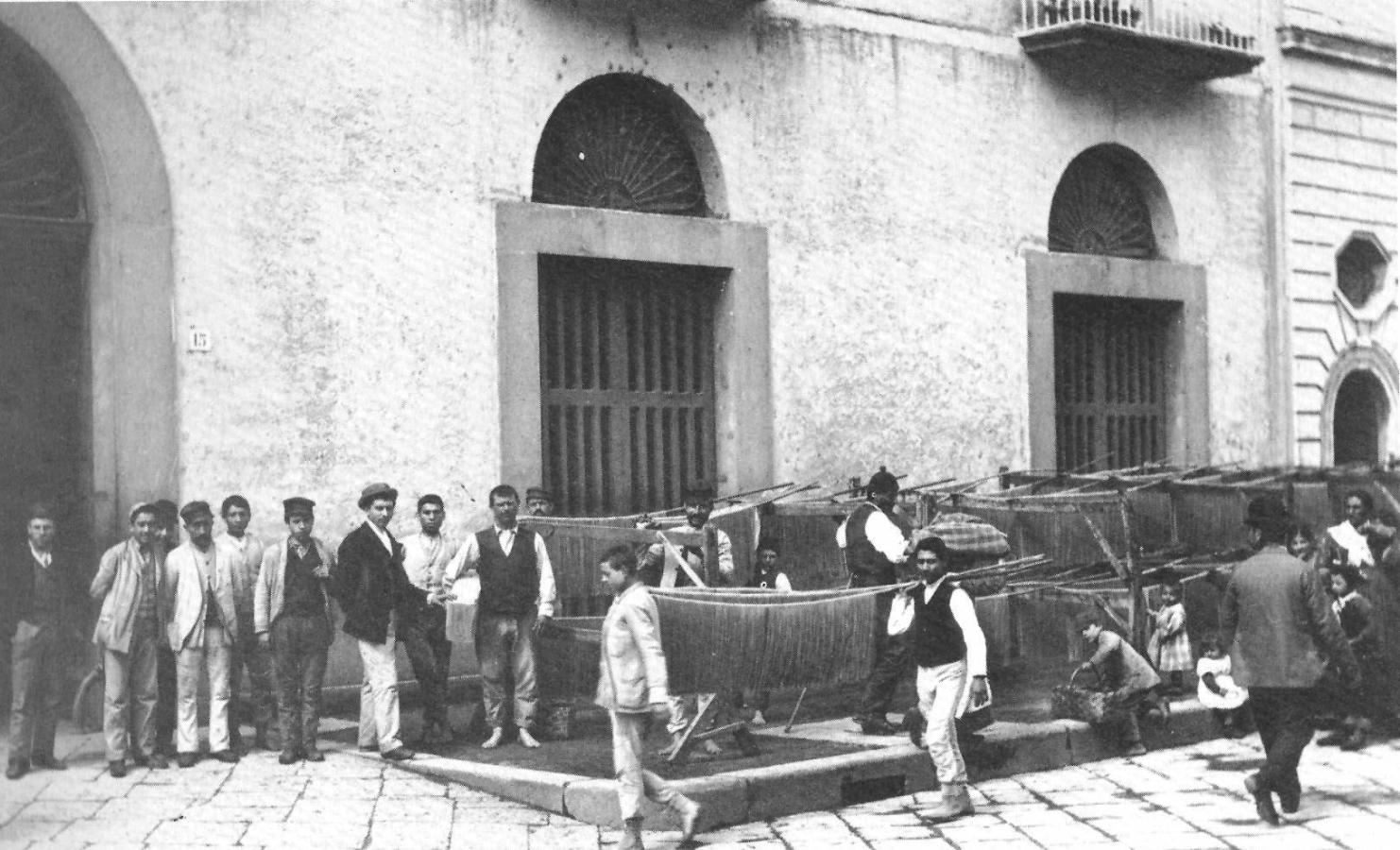
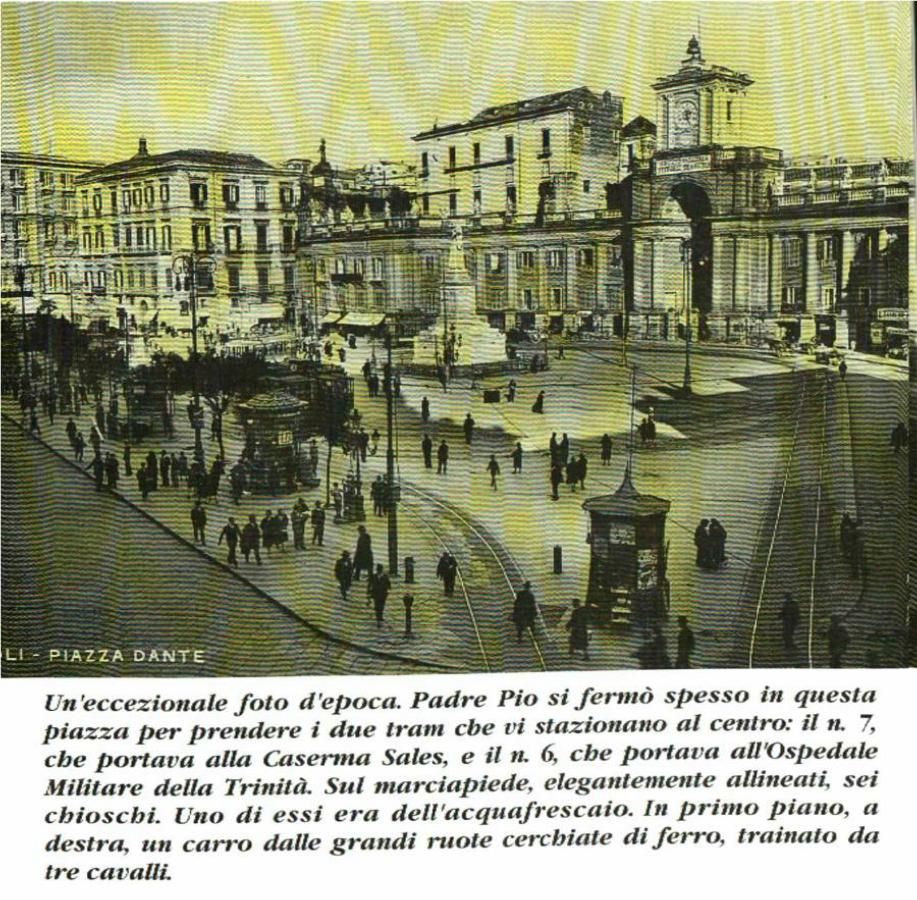 Streets of Napoli at the times of Padre Pio's military service.
On March 5, 1918, Padre Pio was again at the military district in
Naples.
They decided to try with a bath thermometer, removed from the casing
that could read up to 80C (176F). The thermometer read 48C (118.4).
They couldn't believe it, so they tried with a laboratory precision
thermometer. This time the temperature was 49C (120.2).
They informed the captain prof. Dr. Felice D'Onofrio, chief of medical
services. He came in, measured again, and the reading was 49C. "This is
a mystery. This is impossible. I can't believe my eyes. He should be in
agony. This man is either a saint or a devil." He prescribed quinine and
went to see him in the morning. He took again the temperature and was
36.7C (98.06). "I don't understand anything. Let's send him home to die
in peace."
[104]
[105]
[106]
[107]
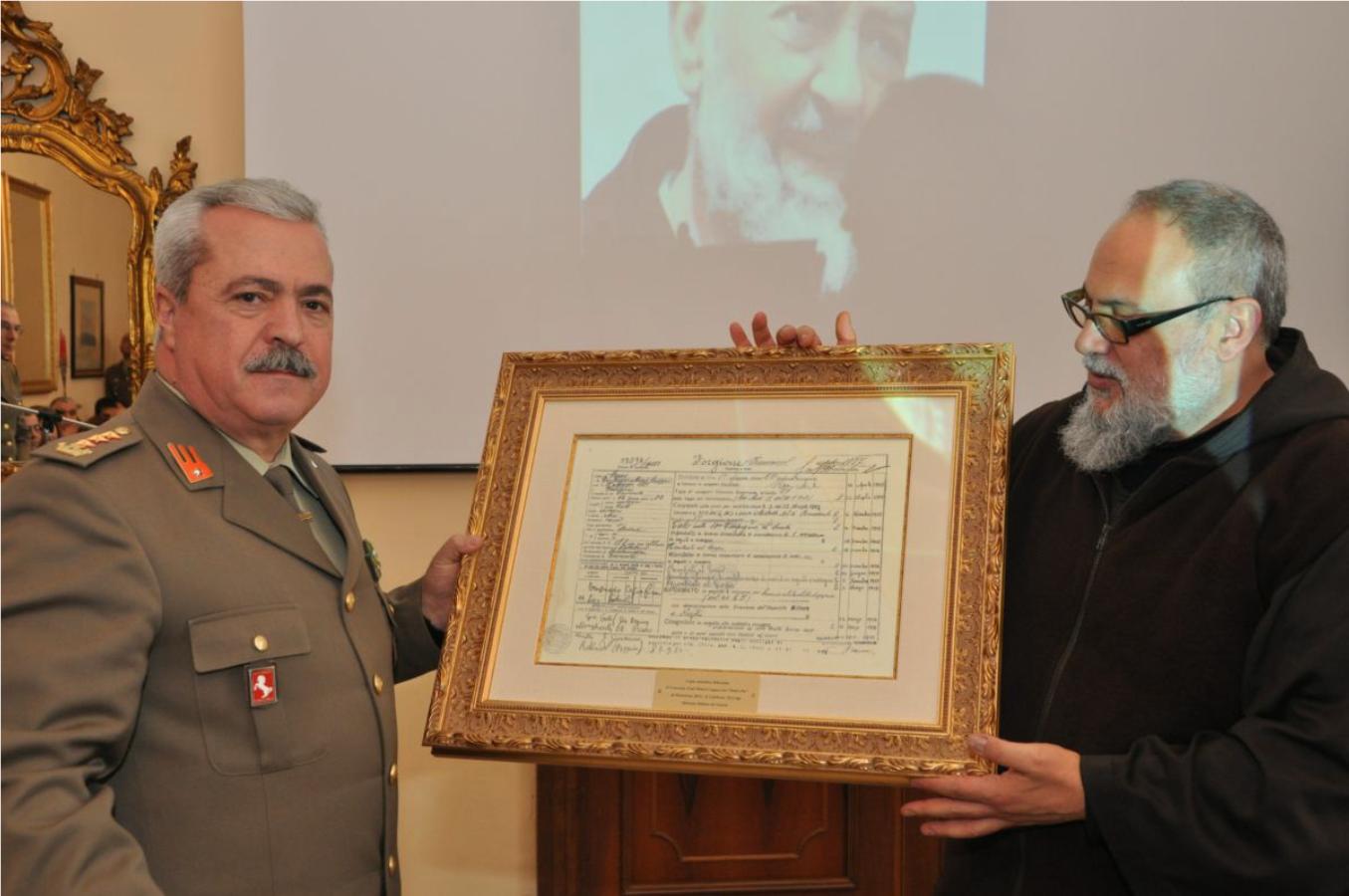
March 6, 1918:
“I am in the Trinity Military hospital. Today I had a favorable physical
exam. They will submit me to further testing.”[110]
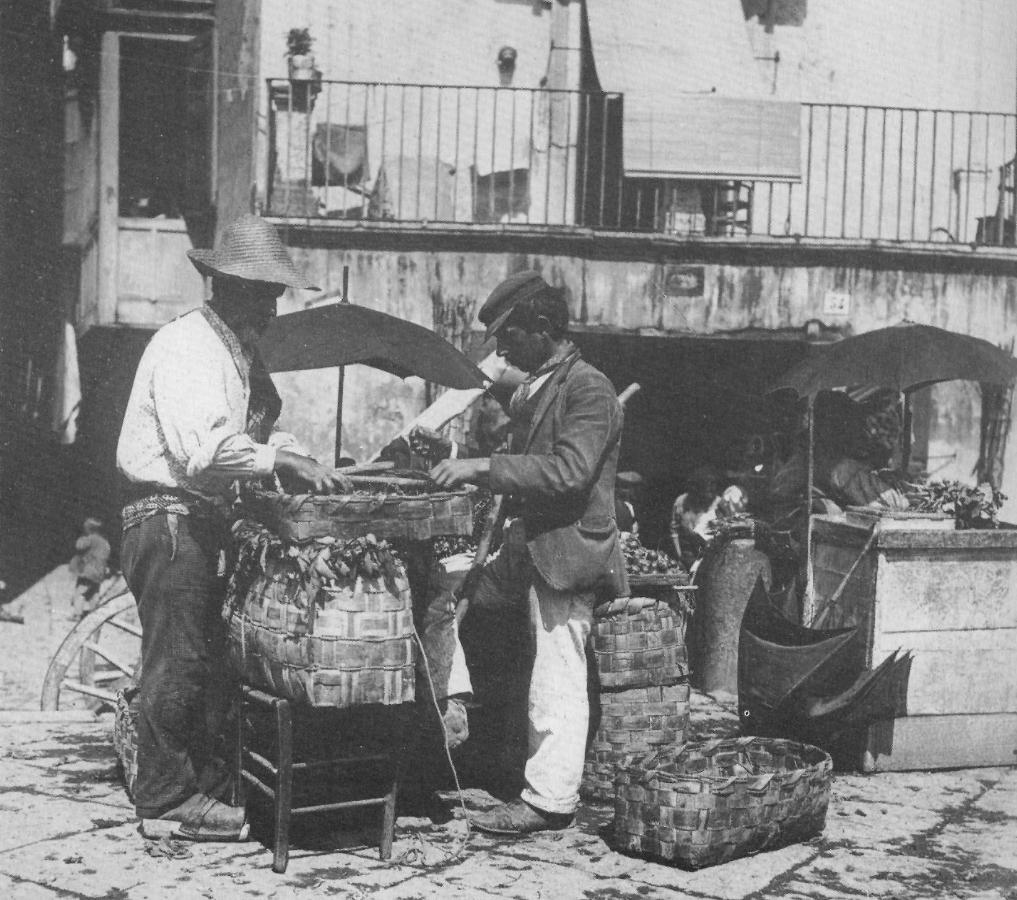

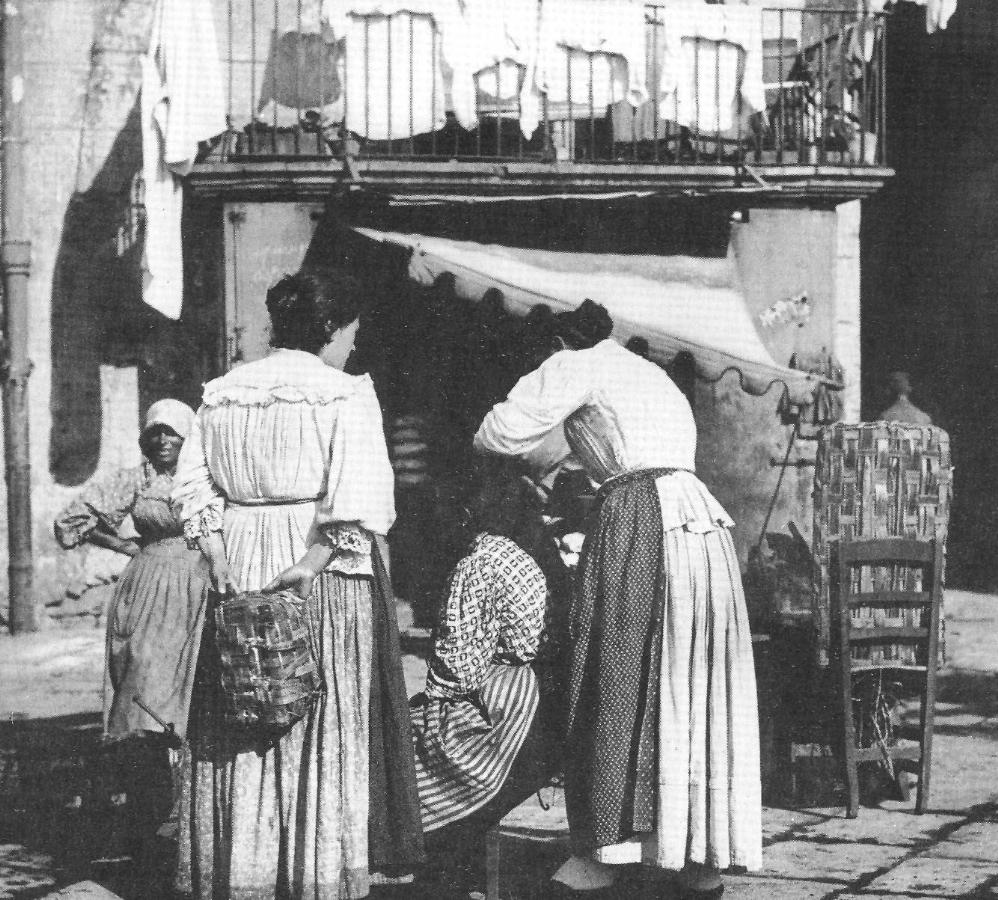
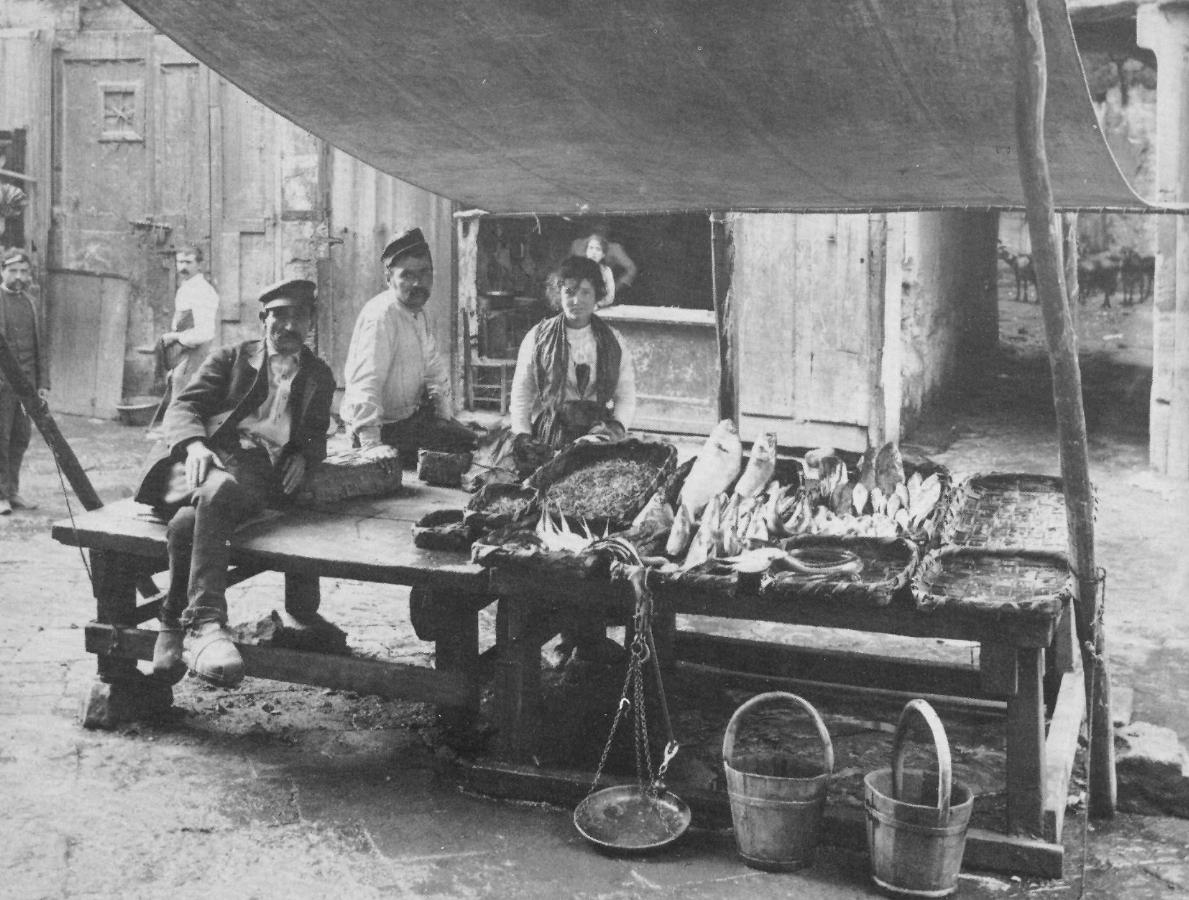
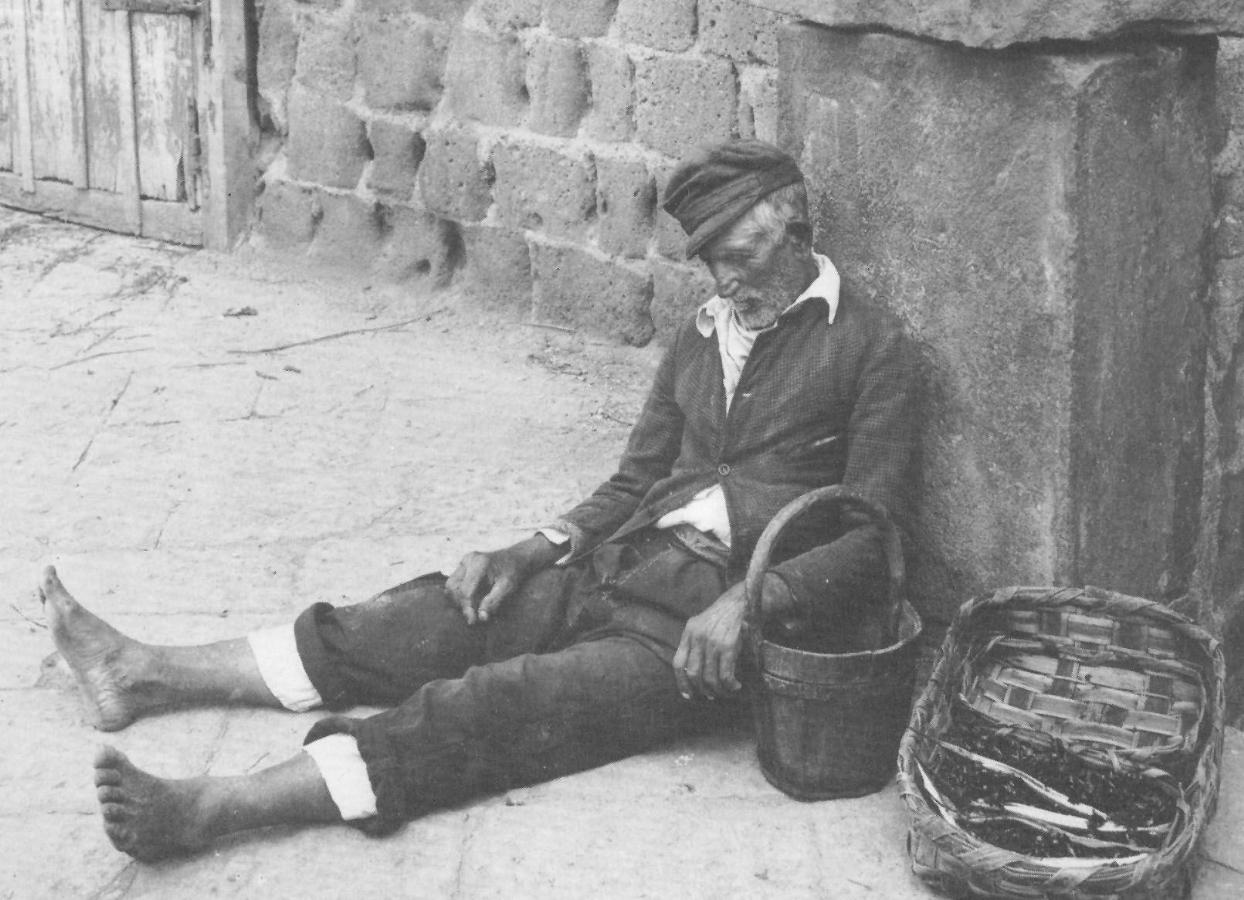
He ordered a coffee at the bar.
When he went to the cashier he was told that somebody else had already
paid for his coffee. He was not able to identify the donor.[114]
After he reached Benevento by train he went on the bus for Pietrelcina. The fee was 1,80 lire to be paid to the ticket man when he passed by. On the bus he sat alone. Soon a man sat beside him. The man offered him a hot cup of coffee from a thermos he had. When the ticket man came to him Padre Pio was prepared to say that he did not have the money for the ride but could offer to pay once reached home in Pietrelcina.When the ticket man came, he told Padre Pio that his ticket had already been paid for. Padre Pio looked around, but there was nobody to thank. When he got off the bus in Pietrelcina he looked around because he wanted to thank the man for the coffee. He did no see him anymore, like he had disappeared. [115] [116]
At home in Pietrelcina everybody, including family and relatives, wanted to see him in uniform; so he had to put it on and off several times. When he patiently did it
he would say: "Are you happy now? You have seen the clown!" Zi’ Grazio asked Padre Pio to leave his uniform and military equipment with him. Padre Pio: “No,
this is not mine. It belongs to the
Government.”[117]
[118]
[104] All00, 178-84
[115] Mal99, 75-9